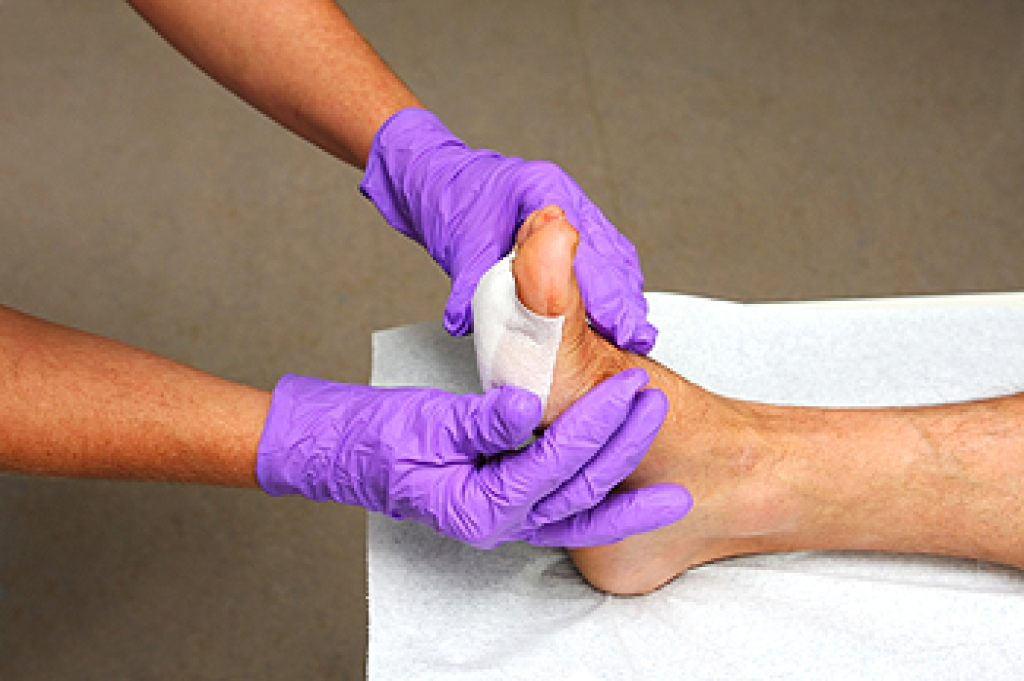
Toenail Avulsion Surgery Can Bring Lasting Relief

Toenail avulsion surgery removes part or all of a damaged or painful toenail. A podiatrist recommends this procedure when a nail causes repeated pain, grows into the surrounding skin, or becomes badly damaged. Surgery also helps when part of the nail keeps returning after previous treatment. Depending on the problem, the podiatrist removes only the affected section or the entire nail. In some cases, the small area that produces the nail is treated to reduce the chance of that section growing back.

Before surgery, the toe is carefully examined by a podiatrist. The area is numbed before the nail is removed, helping patients stay comfortable throughout the procedure. The nail is lifted with special instruments designed to protect the surrounding skin. After the nail is removed, the podiatrist checks the nail bed for hidden damage, infection, or abnormal tissue. The nail bed is the skin beneath the nail that supports healthy nail growth. The toe is then covered with a protective dressing before patients leave the office. Follow-up visits allow the podiatrist to monitor healing, watch for problems, and decide when normal activities can safely resume.

Toenail avulsion surgery can relieve ongoing discomfort and prevent repeated nail problems from interfering with daily life. Patients usually notice improved comfort while walking after the painful nail has been removed. A podiatrist also discusses whether future nail growth is expected or whether the treated section is intended to remain permanently absent. Prompt evaluation also allows other nail conditions to be identified before they become more serious. Early treatment can also improve shoe comfort and reduce pressure on nearby skin. It can also restore confidence when standing, walking, and participating in everyday activities without ongoing pain. If you have a toenail that has become painful, it is suggested that you schedule an appointment with a podiatrist to see if avulsion surgery is right for you.

Foot surgery is sometimes necessary to treat a foot ailment. To learn more, contact one of our podiatrists of Lexington Foot and Ankle Center, PSC. Our doctors will assist you with all of your foot and ankle needs.

When Is Surgery Necessary?

Foot and ankle surgery is generally reserved for cases in which less invasive, conservative procedures have failed to alleviate the problem. Some of the cases in which surgery may be necessary include:

  • Removing foot deformities like bunions and bone spurs
  • Severe arthritis that has caused bone issues
  • Cosmetic reconstruction

What Types of Surgery Are There?

The type of surgery you receive will depend on the nature of the problem you have. Some of the possible surgeries include:

  • Bunionectomy for painful bunions
  • Surgical fusion for realignment of bones
  • Neuropathy decompression surgery to treat nerve damage

Benefits of Surgery

Although surgery is usually a last resort, it can provide more complete pain relief compared to non-surgical methods and may allow you to finally resume full activity.

Surgical techniques have also become increasingly sophisticated. Techniques like endoscopic surgery allow for smaller incisions and faster recovery times.

If you have any questions, please feel free to contact our offices located in Harrodsburg, Frankfort, Georgetown, and Lexington, KY . We offer the newest diagnostic and treatment technologies for all your foot care needs.

Read more about Foot and Ankle Surgery

Balance Problems Increase Risk of Falls

Balance problems can make everyday movement feel uncertain and increase the chance of falling. Good balance depends on clear signals from the eyes, inner ears, and nerves. Muscles and joints provide more information about body position. The brain uses these signals to control movement. Aging can weaken vision, slow reflexes, and reduce muscle strength. Diabetes-related nerve damage can also limit feeling in the feet. Foot pain, fallen arches, and stiff joints can change the way a person walks. These changes can make it harder to react to uneven ground or a sudden loss of balance.

Several warning signs deserve attention. A person may feel unsteady when standing, drift to one side, or need support while walking. Repeated stumbling and difficulty using stairs can indicate a balance problem. Falls can lead to broken bones, head injuries, and a lasting fear of movement. Loose shoes can slide or catch against the floor. Shoes with smooth soles can reduce traction. Poor lighting, cluttered pathways, and loose rugs add further risk. Since many factors can work together, a professional evaluation can help identify the source of the problem.

A podiatrist can examine the feet and ankles for pain, weakness, or changes in structure. The exam includes checking joint movement, foot sensation, and muscle strength. The podiatrist can study how the patient stands and walks. This gait evaluation helps reveal movement patterns that affect stability. Treatment options include custom orthotics to improve foot position and reduce uneven pressure. An ankle brace can provide support when weakness or instability is present. The podiatrist can also recommend properly-fitted shoes with firm heel support and slip-resistant soles. Foot evaluations are valuable for patients with diabetes, arthritis, or previous falls. If you have fallen and have injured your foot or ankle, it is suggested that you schedule an appointment with a podiatrist for a diagnosis and appropriate treatment.

Preventing falls among the elderly is very important. If you are older and have fallen or fear that you are prone to falling, consult with one of our podiatrists from Lexington Foot and Ankle Center, PSC. Our doctors will assess your condition and provide you with quality advice and care.

Every 11 seconds, an elderly American is being treated in an emergency room for a fall related injury. Falls are the leading cause of head and hip injuries for those 65 and older. Due to decreases in strength, balance, senses, and lack of awareness, elderly persons are very susceptible to falling. Thankfully, there are a number of things older persons can do to prevent falls.

How to Prevent Falls

Some effective methods that older persons can do to prevent falls include:

  • Enrolling in strength and balance exercise program to increase balance and strength
  • Periodically having your sight and hearing checked
  • Discuss any medications you have with a doctor to see if it increases the risk of falling
  • Clearing the house of falling hazards and installing devices like grab bars and railings
  • Utilizing a walker or cane
  • Wearing shoes that provide good support and cushioning
  • Talking to family members about falling and increasing awareness

Falling can be a traumatic and embarrassing experience for elderly persons; this can make them less willing to leave the house, and less willing to talk to someone about their fears of falling. Doing such things, however, will increase the likelihood of tripping or losing one’s balance. Knowing the causes of falling and how to prevent them is the best way to mitigate the risk of serious injury.  

If you have any questions, please feel free to contact our offices located in Harrodsburg, Frankfort, Georgetown, and Lexington, KY . We offer the newest diagnostic and treatment technologies for all your foot care needs.

Read more about Falls Prevention

What to Know About Broken Toe Injuries

A broken toe can turn a simple step into a painful challenge. A fracture occurs when one of the small bones in a toe cracks or breaks. The injury frequently happens after a toe is stubbed against a hard object or something heavy falls on the foot. Pain, swelling, and bruising can develop soon after the injury. Walking can become difficult because the toes help support balance and movement. A broken toe can also look crooked when the bone has shifted from its normal position.

Some toe fractures need closer attention because the location and severity can affect healing. An injury to the big toe can cause greater problems with walking because this toe plays an important role in balance and pushing off the ground. A wound near the fracture can increase the risk of infection. Blood can also collect beneath the toenail after an object strikes the toe. Without proper treatment, a badly positioned fracture can heal incorrectly. This could lead to lasting pain, changes in toe shape, or problems with movement.

A podiatrist can examine the injured toe to determine whether a fracture has occured and how serious it is. The evaluation can include checking swelling, tenderness, and toe position. X-rays can help show the location of the break and whether the bone has moved out of place. Treatment can include stabilizing the toe, using a protective shoe, or placing the foot in a cast. A podiatrist can also realign a displaced bone, while severe fractures can require surgery. Proper treatment helps protect the toe while the bone heals and can reduce the risk of future problems. If you have broken your toe, it is suggested that you schedule an appointment with a podiatrist for effective relief and treatment solutions. 

A broken toe can be very painful and lead to complications if not properly fixed. If you have any concerns about your feet, contact one of our podiatrists from Lexington Foot and Ankle Center, PSC. Our doctors will treat your foot and ankle needs.

What to Know About a Broken Toe

Although most people try to avoid foot trauma such as banging, stubbing, or dropping heavy objects on their feet, the unfortunate fact is that it is a common occurrence. Given the fact that toes are positioned in front of the feet, they typically sustain the brunt of such trauma. When trauma occurs to a toe, the result can be a painful break (fracture).

Symptoms of a Broken Toe

  • Throbbing pain
  • Swelling
  • Bruising on the skin and toenail
  • The inability to move the toe
  • Toe appears crooked or disfigured
  • Tingling or numbness in the toe

Generally, it is best to stay off of the injured toe with the affected foot elevated.

Severe toe fractures may be treated with a splint, cast, and in some cases, minor surgery. Due to its position and the pressure it endures with daily activity, future complications can occur if the big toe is not properly treated.

If you have any questions, please feel free to contact our offices located in Harrodsburg, Frankfort, Georgetown, and Lexington, KY . We offer the newest diagnostic and treatment technologies for all your foot care needs.

Read more about What to Know About a Broken Toe

Why Live with Pain and Numbness in Your Feet?

Suffering from this type of pain? You may have the foot condition known as Morton's neuroma. Morton's neuroma may develop as a result of ill-fitting footwear and existing foot deformities. We can help.

What Causes Shooting Pain in the Foot

A sudden shooting pain in the foot can stop you in your tracks. It may strike the heel, ball of the foot, or toes. Some patients describe the feeling as sharp, burning, or electric. The pain might appear with the first steps of the day, while walking, or even when the foot is at rest. Where the pain begins and what triggers it can help identify the cause. Numbness, swelling, or weakness are also important signs. Shooting pain that returns or becomes stronger indicates the need to see a podiatrist.

Several problems can cause this type of pain. Plantar fasciitis irritates the band of tissue that supports the arch and can send pain from the heel forward. A pinched or damaged nerve can create electric pain, tingling, and numbness. Morton's neuroma is thickened tissue surrounding a nerve near the toes, and it can cause burning pain in the ball of the foot. Other causes of shooting foot pain include a stress fracture, tendon irritation, or gout. Because diabetes can damage nerves in the feet, patients with this condition should report new pain quickly.

A podiatrist can find the source of shooting pain through a foot exam and a review of when symptoms began. The doctor may check the foot's movement, strength, and sensitive areas. X-rays or imaging can reveal a fracture or changes within the joints. Nerve testing can help when numbness, tingling, or burning occurs. Depending on the cause, treatment options include custom orthotics, supportive shoe guidance, or medication. In some cases, a brace or walking boot may be needed for protection or stability. Severe nerve pressure, a fracture, or joint damage may require surgery. Early care can prevent a treatable problem from becoming harder to manage. If you are experiencing shooting pain in the foot, it is suggested that you schedule an appointment with a podiatrist for a diagnosis and appropriate treatment.

Foot Pain

Foot pain can be extremely painful and debilitating. If you have a foot pain, consult with one of our podiatrists from Lexington Foot and Ankle Center, PSC. Our doctors will assess your condition and provide you with quality foot and ankle treatment.

Causes

Foot pain is a very broad condition that could be caused by one or more ailments. The most common include:

  • Bunions
  • Hammertoes
  • Plantar Fasciitis
  • Bone Spurs
  • Corns
  • Tarsal Tunnel Syndrome
  • Ingrown Toenails
  • Arthritis (such as Gout, Rheumatoid, and Osteoarthritis)
  • Flat Feet
  • Injury (from stress fractures, broken toe, foot, ankle, Achilles tendon ruptures, and sprains)
  • And more

Diagnosis

To figure out the cause of foot pain, podiatrists utilize several different methods. This can range from simple visual inspections and sensation tests to X-rays and MRI scans. Prior medical history, family medical history, and any recent physical traumatic events will all be taken into consideration for a proper diagnosis.

Treatment

Treatment depends upon the cause of the foot pain. Whether it is resting, staying off the foot, or having surgery; podiatrists have a number of treatment options available for foot pain.

If you have any questions, please feel free to contact our offices located in Harrodsburg, Frankfort, Georgetown, and Lexington, KY . We offer the newest diagnostic and treatment technologies for all your foot care needs.

Read more about Foot Pain

Connect With Us