
Have your child's feet been examined lately? Healthy feet are happy feet. If your child is complaining of foot pain, it may be a sign of underlying problems.
Have your child's feet been examined lately? Healthy feet are happy feet. If your child is complaining of foot pain, it may be a sign of underlying problems.

If your feet hurt while walking, running, or even standing still for long periods of time, it may be an indication that you need the care of a podiatrist, which is a medical doctor who specializes in problems of the foot and ankle. Other foot problems that may need such attention include bunions, hammertoes, swollen feet and ankles, heel pain, corns or calluses that hurt when you walk, or itching and scaling skin on the feet or toes. Other indications that you may need to see a podiatrist include, pain in the ball of the foot, discoloration of the toes, feet that are cold and sweaty, foot pain while wearing shoes, and pain when walking barefoot. A podiatrist can also help with sports-related injuries and foot or ankle problems resulting from other health conditions, such as diabetes, high blood pressure or obesity. If you have arthritis or rheumatism, a podiatrist can help to address these issues before they cause more serious complications to your feet. Regular visits with a podiatrist may save you from many years of pain and discomfort.
If you are experiencing pain in the feet or ankles, don’t join the stubborn majority refusing treatment. Feel free to contact one of our podiatrists from Lexington Foot and Ankle Center, PSC. Our doctors can provide the care you need to keep you pain-free and on your feet.
What Is a Podiatrist?
Someone would seek the care of a podiatrist if they have suffered a foot injury or have common foot ailments such as heal spurs, bunions, arch problems, deformities, ingrown toenails, corns, foot and ankle problems, etc.
Podiatric Treatment
A podiatrist will treat the problematic areas of the feet, ankle or lower leg by prescribing the following:
A common podiatric procedure a podiatrist will use is a scanner or force plate which will allow the podiatrist to know the designs of orthotics. Patients are then told to follow a series of tasks to complete the treatment. The computer will scan the foot a see which areas show weight distribution and pressure points. The podiatrist will read the analysis and then determine which treatment plans are available.
If you have any questions, please feel free to contact our offices located in Harrodsburg, Frankfort, Georgetown, and Lexington, KY . We offer the newest diagnostic and treatment technologies for all your foot care needs.
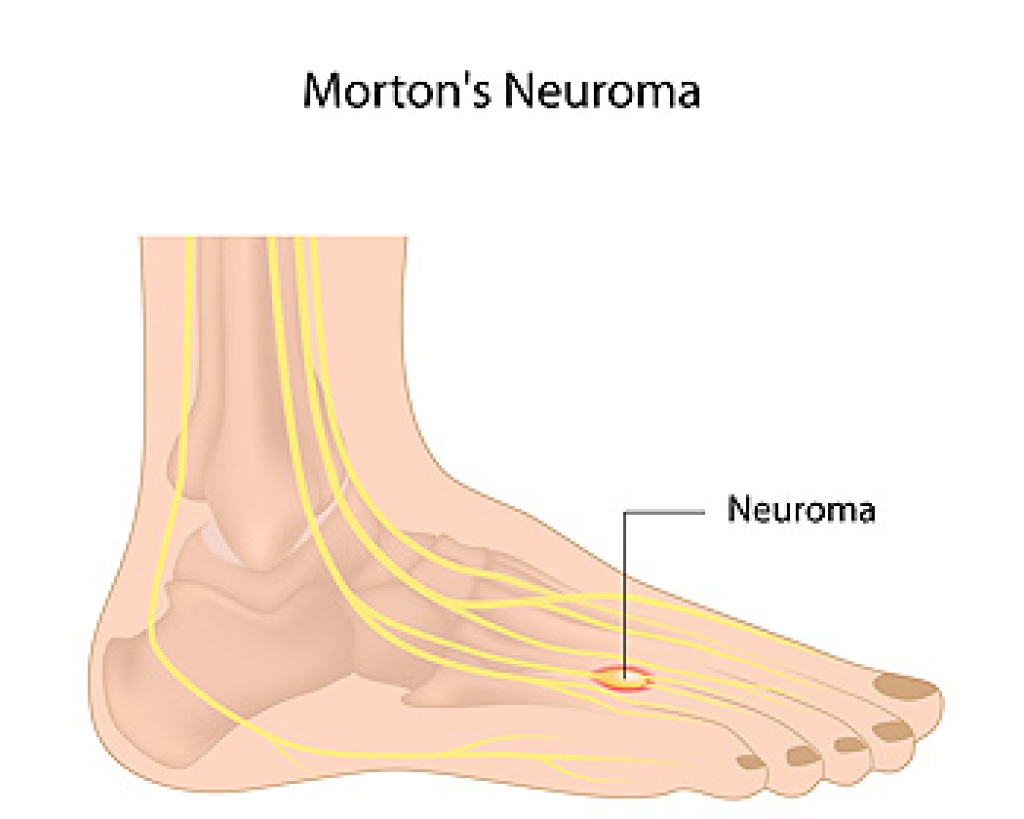
Morton’s neuroma is caused by irritation or damage to a nerve in the foot. It typically affects the nerve between the third and fourth toes and causes a shooting, stabbing, or burning pain, as well as an odd sensation of walking on a pebble. Morton’s neuroma can also cause tingling and numbness in the foot. Symptoms may get worse while moving your foot, bearing weight, or wearing high heels or tight shoes. This condition tends to worsen without treatment. If you are suffering from pain in the ball of the foot, it is suggested that you seek the care of a podiatrist.
Morton’s neuroma is a very uncomfortable condition to live with. If you think you have Morton’s neuroma, contact one of our podiatrists of Lexington Foot and Ankle Center, PSC. Our doctors will attend to all of your foot care needs and answer any of your related questions.
Morton’s Neuroma
Morton's neuroma is a painful foot condition that commonly affects the areas between the second and third or third and fourth toe, although other areas of the foot are also susceptible. Morton’s neuroma is caused by an inflamed nerve in the foot that is being squeezed and aggravated by surrounding bones.
What Increases the Chances of Having Morton’s Neuroma?
Morton’s neuroma is a very treatable condition. Orthotics and shoe inserts can often be used to alleviate the pain on the forefront of the feet. In more severe cases, corticosteroids can also be prescribed. In order to figure out the best treatment for your neuroma, it’s recommended to seek the care of a podiatrist who can diagnose your condition and provide different treatment options.
If you have any questions, please feel free to contact our offices located in Harrodsburg, Frankfort, Georgetown, and Lexington, KY . We offer the newest diagnostic and treatment technologies for all your foot care needs.
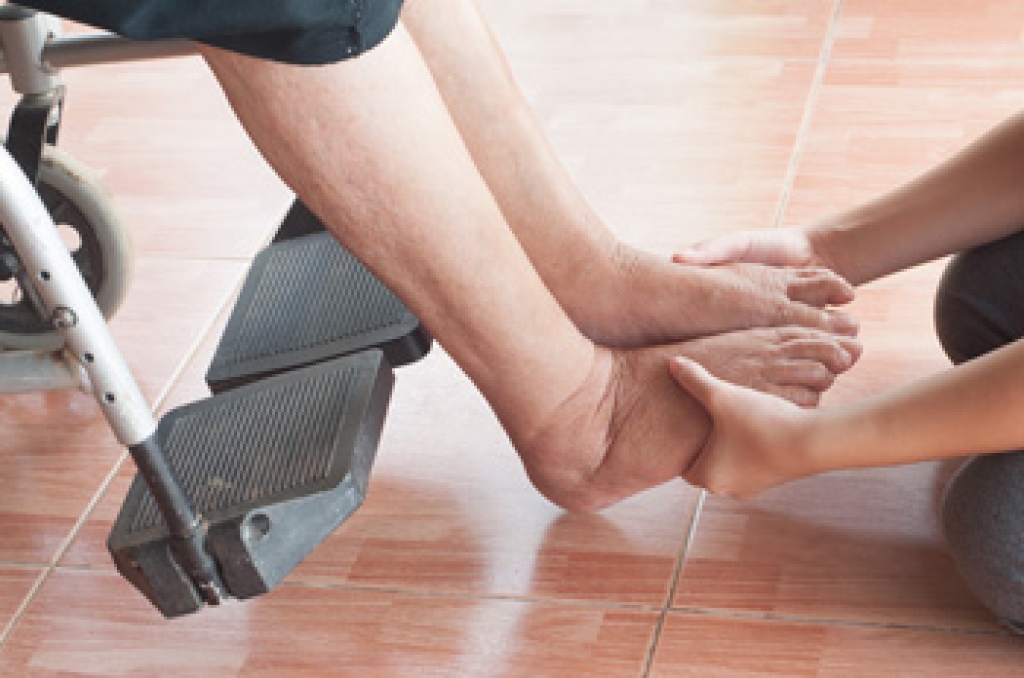
People with diabetes can often lose feeling in their feet and the ability to heal ordinary cuts, abrasions or pressure points. This can lead to the development of non-healing wounds and far more serious complications. Foot care can help the diabetic keep their feet healthy and protected. The best way for diabetics to take care of their feet is by wearing quality shoes that fit perfectly and refraining from going barefoot — even in the house. Daily foot inspections are also a must in order to spot anything unusual. If any abrasion, discoloration, redness or purple area is detected, it is suggested that you seek the treatment of a podiatrist as soon as possible to avoid it festering and turning into a wound. For detailed information on diabetic foot care as well as regular foot checkups, please schedule an appointment with a podiatrist.
Diabetic foot care is important in preventing foot ailments such as ulcers. If you are suffering from diabetes or have any other concerns about your feet, contact one of our podiatrists from Lexington Foot and Ankle Center, PSC. Our doctors can provide the care you need to keep you pain-free and on your feet.
Diabetic Foot Care
Diabetes affects millions of people every year. The condition can damage blood vessels in many parts of the body, especially the feet. Because of this, taking care of your feet is essential if you have diabetes, and having a podiatrist help monitor your foot health is highly recommended.
The Importance of Caring for Your Feet
Patients with diabetes should have their doctor monitor their blood levels, as blood sugar levels play such a huge role in diabetic care. Monitoring these levels on a regular basis is highly advised.
It is always best to inform your healthcare professional of any concerns you may have regarding your feet, especially for diabetic patients. Early treatment and routine foot examinations are keys to maintaining proper health, especially because severe complications can arise if proper treatment is not applied.
If you have any questions, please feel free to contact our offices located in Harrodsburg, Frankfort, Georgetown, and Lexington, KY . We offer the newest diagnostic and treatment technologies for all your foot care needs.
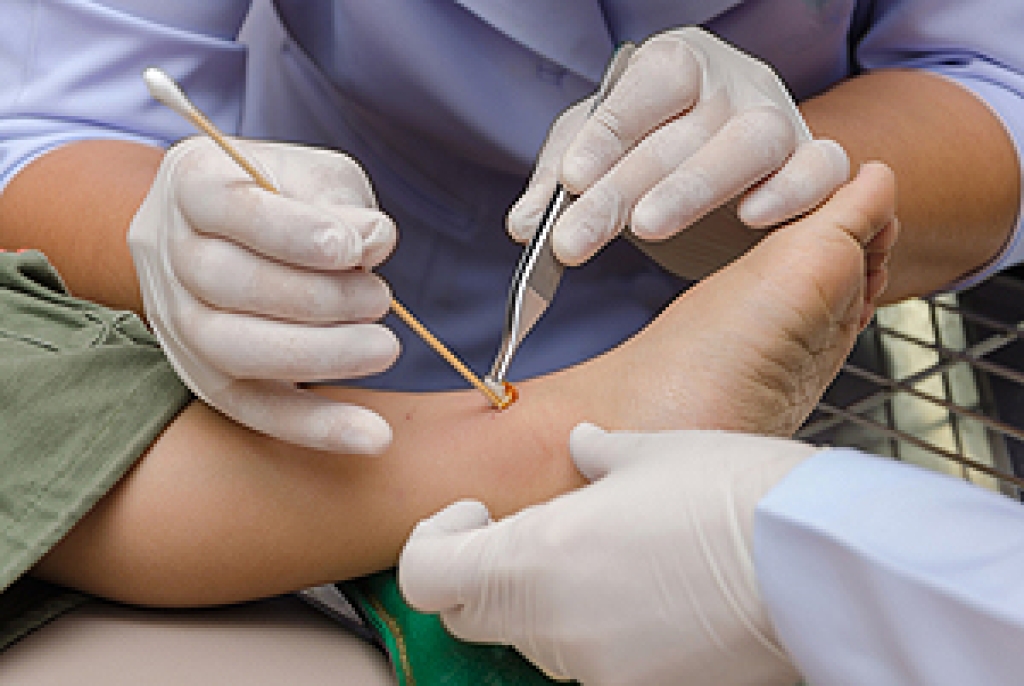
People with diabetes are at a substantially increased risk of developing foot wounds, open sores on the feet that heal slowly and poorly. One of the reasons that these wounds heal inefficiently may be due to a poor immune response. People with diabetes are more likely to have immune insufficiency. When a wound develops on the foot, the immune cells that are necessary for healthy inflammation and healing may have their functions suppressed, leading to poor healing. If you have diabetes, it is important to take measures to prevent foot wounds and their complications. One of the best ways to do this is to inspect your feet daily for any changes, such as new cuts, scrapes, sores, or discoloration. If you notice that anything is out of the ordinary, it is strongly suggested that you schedule an appointment with a podiatrist.
Wound care is an important part in dealing with diabetes. If you have diabetes and a foot wound or would like more information about wound care for diabetics, consult with one of our podiatrists from Lexington Foot and Ankle Center, PSC. Our doctors will assess your condition and provide you with quality foot and ankle treatment.
What Is Wound Care?
Wound care is the practice of taking proper care of a wound. This can range from the smallest to the largest of wounds. While everyone can benefit from proper wound care, it is much more important for diabetics. Diabetics often suffer from poor blood circulation which causes wounds to heal much slower than they would in a non-diabetic.
What Is the Importance of Wound Care?
While it may not seem apparent with small ulcers on the foot, for diabetics, any size ulcer can become infected. Diabetics often also suffer from neuropathy, or nerve loss. This means they might not even feel when they have an ulcer on their foot. If the wound becomes severely infected, amputation may be necessary. Therefore, it is of the upmost importance to properly care for any and all foot wounds.
How to Care for Wounds
The best way to care for foot wounds is to prevent them. For diabetics, this means daily inspections of the feet for any signs of abnormalities or ulcers. It is also recommended to see a podiatrist several times a year for a foot inspection. If you do have an ulcer, run the wound under water to clear dirt from the wound; then apply antibiotic ointment to the wound and cover with a bandage. Bandages should be changed daily and keeping pressure off the wound is smart. It is advised to see a podiatrist, who can keep an eye on it.
If you have any questions please contact our offices located in Harrodsburg, Frankfort, Georgetown, and Lexington, KY . We offer the newest diagnostic and treatment technologies for all your foot and ankle needs.
Connect With Us