
Hammertoe Relief

Hammertoes are a painful condition where one or more of the smaller toes become bent at the middle joint, resembling a hammer. This deformity is often caused by wearing tight, ill-fitting shoes, muscle imbalances, or conditions like arthritis. Over time, hammertoes can lead to discomfort, corns, calluses, and difficulty in walking. To relieve the pain associated with hammertoes, start by choosing shoes with a roomy toe box that allows your toes to lie flat. Avoid high heels and shoes that squeeze the toes together. Adding cushioning or orthotic inserts can help to alleviate pressure on the affected toes. Gentle stretching exercises for the toes and foot muscles can also improve flexibility and reduce discomfort. If conservative treatments do not provide sufficient relief, or if the condition worsens, it is suggested that you schedule a visit to a podiatrist for more advanced treatment, which may involve surgical intervention to correct the deformity and restore proper toe alignment.

Hammertoe

Hammertoes can be a painful condition to live with. For more information, contact one of our podiatrists from Lexington Foot and Ankle Center, PSC. Our doctors will answer any of your foot- and ankle-related questions.

Hammertoe is a foot deformity that affects the joints of the second, third, fourth, or fifth toes of your feet. It is a painful foot condition in which these toes curl and arch up, which can often lead to pain when wearing footwear.

Symptoms

  • Pain in the affected toes
  • Development of corns or calluses due to friction
  • Inflammation
  • Redness
  • Contracture of the toes

Causes

Genetics – People who are genetically predisposed to hammertoe are often more susceptible

Arthritis – Because arthritis affects the joints in your toes, further deformities stemming from arthritis can occur

Trauma – Direct trauma to the toes could potentially lead to hammertoe

Ill-fitting shoes – Undue pressure on the front of the toes from ill-fitting shoes can potentially lead to the development of hammertoe

Treatment

Orthotics – Custom made inserts can be used to help relieve pressure placed on the toes and therefore relieve some of the pain associated with it

Medications – Oral medications such as anti-inflammatories or NSAIDs could be used to treat the pain and inflammation hammertoes causes. Injections of corticosteroids are also sometimes used

Surgery – In more severe cases where the hammertoes have become more rigid, foot surgery is a potential option

If you have any questions, please feel free to contact our offices located in Harrodsburg, Frankfort, Georgetown, and Lexington, KY . We offer the newest diagnostic and treatment technologies for all your foot care needs.


Read more about What Are Hammertoes?

Wounds That Don't Heal Need to Be Checked

Your feet are covered most of the day. If you're diabetic, periodic screening is important for good health. Numbness is often a sign of diabetic foot and can mask a sore or wound.

Causes and Treatment of a Broken Foot

Broken feet are often caused by trauma, such as falls, sports injuries, or accidents. Common types of foot fractures can include stress fractures from repetitive impact and acute fractures resulting from sudden injuries. Symptoms of a broken foot typically include severe pain, swelling, and difficulty walking or bearing weight on the affected foot. Immediate treatment focuses on minimizing movement and immobilizing the foot to prevent further damage. For minor fractures rest and elevation are recommended, along with a cast or splint to stabilize the foot. More serious fractures may require realignment of the bones through surgery and the use of internal fixation devices. Pain management with medications in addition to exercises to regain strength and mobility are often necessary for a full recovery. If you suspect you have a broken foot, it is suggested that you schedule an appointment with a podiatrist for specialized care to ensure proper healing and prevent complications.

A broken foot requires immediate medical attention and treatment. If you need your feet checked, contact one of our podiatrists from Lexington Foot and Ankle Center, PSC. Our doctors can provide the care you need to keep you pain-free and on your feet.

Broken Foot Causes, Symptoms, and Treatment

A broken foot is caused by one of the bones in the foot typically breaking when bended, crushed, or stretched beyond its natural capabilities. Usually the location of the fracture indicates how the break occurred, whether it was through an object, fall, or any other type of injury. 

Common Symptoms of Broken Feet:

  • Bruising
  • Pain
  • Redness
  • Swelling
  • Blue in color
  • Numbness
  • Cold
  • Misshapen
  • Cuts
  • Deformities

Those that suspect they have a broken foot shoot seek urgent medical attention where a medical professional could diagnose the severity.

Treatment for broken bones varies depending on the cause, severity and location. Some will require the use of splints, casts or crutches while others could even involve surgery to repair the broken bones. Personal care includes the use of ice and keeping the foot stabilized and elevated.

If you have any questions, please feel free to contact our offices located in Harrodsburg, Frankfort, Georgetown, and Lexington, KY . We offer the newest diagnostic and treatment technologies for all your foot care needs.
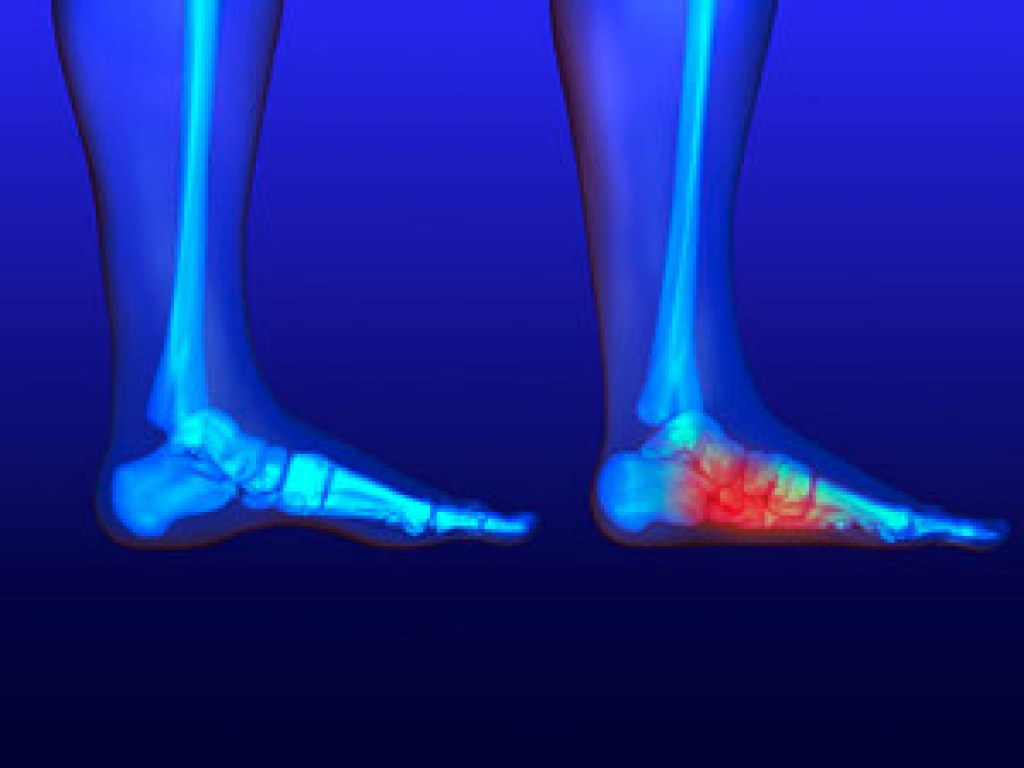
Read more about Causes, Symptoms, and Treatment for a Broken Foot

Facts About Flat Feet

Flat feet, or pes planus, come in two main types, which are flexible and rigid. Flexible flat feet show arches that flatten when standing but are visible when sitting, while rigid flat feet have no arch even when sitting. Symptoms often include foot pain, swelling, and difficulty walking or standing for long periods. Risk factors include genetic predisposition, obesity, and certain medical conditions like arthritis. To alleviate discomfort, specific stretches can be helpful. Stretching the Achilles tendon and calf muscles can relieve tension and improve foot flexibility. Foot exercises, such as toe curls and arch lifts, strengthen the muscles supporting the arch. If you have flat feet, it is strongly suggested that you are under the care of a podiatrist who can offer effective relief solutions.

Flatfoot is a condition many people suffer from. If you have flat feet, contact one of our podiatrists from Lexington Foot and Ankle Center, PSC. Our doctors will treat your foot and ankle needs.

What Are Flat Feet?

Flatfoot is a condition in which the arch of the foot is depressed and the sole of the foot is almost completely in contact with the ground. About 20-30% of the population generally has flat feet because their arches never formed during growth.

Conditions & Problems:

Having flat feet makes it difficult to run or walk because of the stress placed on the ankles.

Alignment – The general alignment of your legs can be disrupted, because the ankles move inward which can cause major discomfort.

Knees – If you have complications with your knees, flat feet can be a contributor to arthritis in that area.  

Symptoms

  • Pain around the heel or arch area
  • Trouble standing on the tip toe
  • Swelling around the inside of the ankle
  • Flat look to one or both feet
  • Having your shoes feel uneven when worn

Treatment

If you are experiencing pain and stress on the foot you may weaken the posterior tibial tendon, which runs around the inside of the ankle. 

If you have any questions, please feel free to contact our offices located in Harrodsburg, Frankfort, Georgetown, and Lexington, KY . We offer the newest diagnostic and treatment technologies for all your foot care needs.
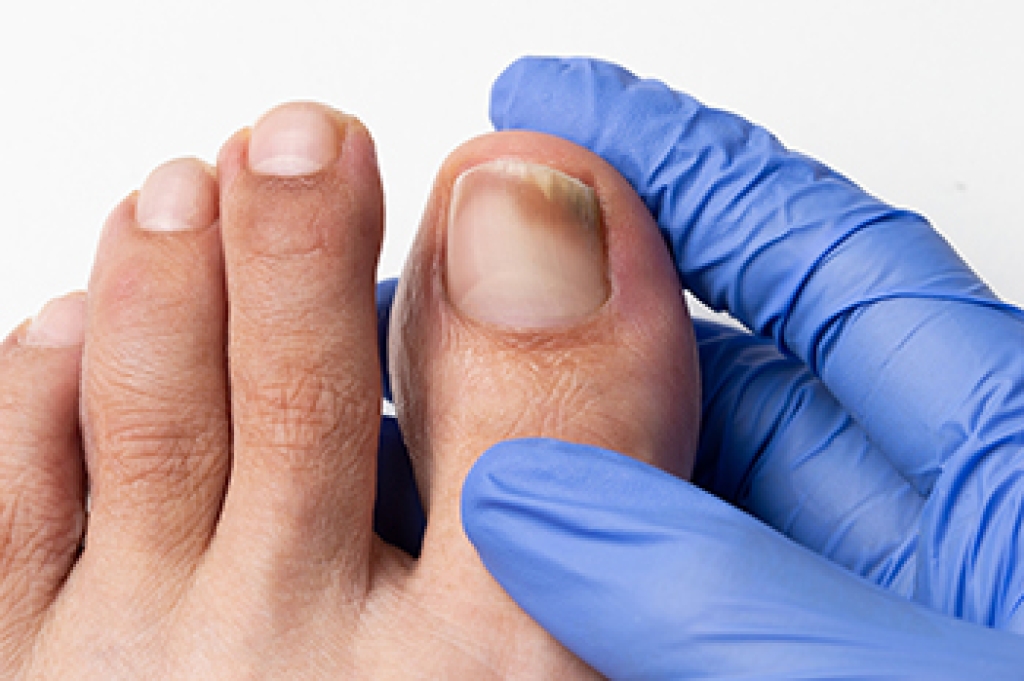
Read more about Flatfoot

Stages of Toenail Fungus

Toenail fungus progresses through distinct stages, each requiring timely intervention. In the earliest stage, the nail may appear slightly discolored, usually yellow or white, with minimal discomfort. Without treatment, the condition advances to the moderate stage, where the nail becomes thicker and more discolored, and may develop a crumbly texture. This stage often involves some pain or discomfort. If untreated, toenail fungus can reach an advanced stage, causing severe thickening, distortion, and detachment of the nail from the nail bed. This stage can lead to significant pain and difficulty walking. In the chronic stage, the infection is longstanding and difficult to treat, potentially leading to permanent damage. If you notice the beginning stages of toenail fungus, it is suggested that you consult a podiatrist who can offer you effective treatment options which may prevent advancing to later stages.

For more information about treatment, contact one of our podiatrists of Lexington Foot and Ankle Center, PSC. Our doctors can provide the care you need to keep you pain-free and on your feet.

Toenail Fungus Treatment

Toenail fungus is a condition that affects many people and can be especially hard to get rid of. Fortunately, there are several methods to go about treating and avoiding it.

Antifungals & Deterrence

Oral antifungal medicine has been shown to be effective in many cases. It is important to consult with a podiatrist to determine the proper regiment for you, or potentially explore other options.

Applying foot powder on the feet and shoes helps keep the feet free of moisture and sweat.

Sandals or open toed shoes – Wearing these will allow air movement and help keep feet dry. They also expose your feet to light, which fungus cannot tolerate. Socks with moisture wicking material also help as well.

If you have any questions please contact our offices located in Harrodsburg, Frankfort, Georgetown, and Lexington, KY . We offer the newest diagnostic and treatment technologies for all your foot and ankle needs.

Read more about Treating Toenail Fungus

Connect With Us