Exercising the Feet

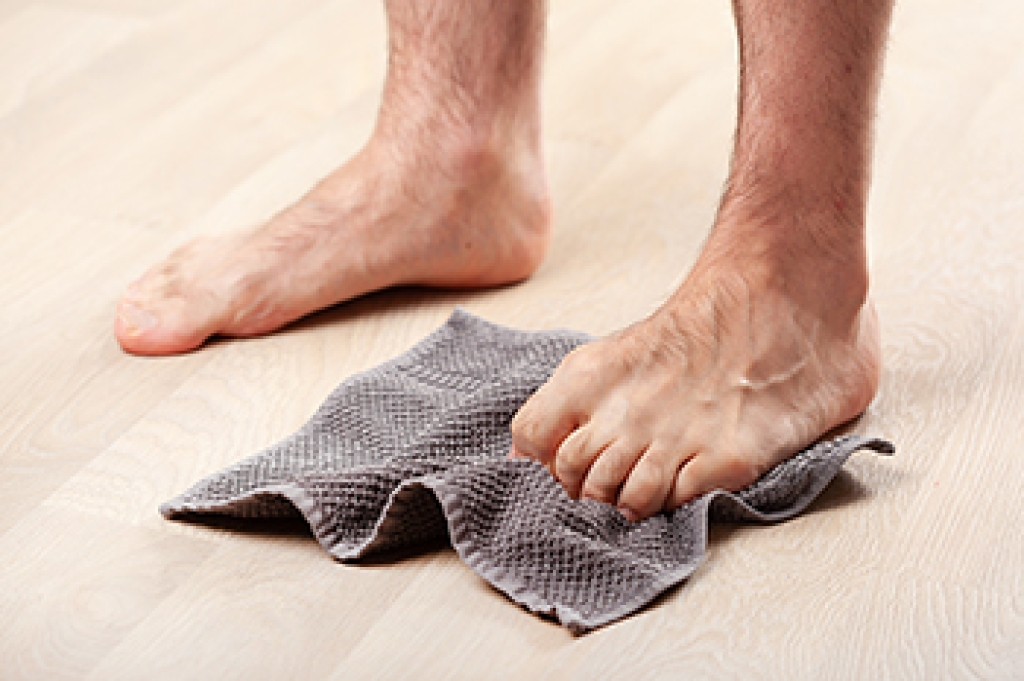
Keeping the feet strong and flexible can help prevent and relieve foot and ankle pain, as well as reduce the risk of injury. Most foot exercises are simple and do not require complicated or expensive equipment to perform. Some easy exercises to increase flexibility and help maintain the strength and mobility of the feet include toe raises, points, the big toe stretch, toe splay, toe curls, marble pickup, sand walking, and toe extensions. Doing such exercises, wearing well-fitting, supportive shoes, not overdoing anything that puts pressure on the feet, and practicing routine grooming of the feet will all help to get the most life out of feet for a lifetime. If you need help with learning how to exercise the feet or how to properly care for them, consult with a podiatrist who can answer any questions and treat issues related to the feet and ankles.

Stretching the feet is a great way to prevent injuries. If you have any concerns with your feet consult with one of our podiatrists from Lexington Foot and Ankle Center, PSC. Our doctors will assess your condition and provide you with quality foot and ankle treatment.

Stretching the Feet

Stretching the muscles in the foot is an important part in any physical activity. Feet that are tight can lead to less flexibility and make you more prone to injury. One of the most common forms of foot pain, plantar fasciitis, can be stretched out to help ease the pain. Stretching can not only ease pain from plantar fasciitis but also prevent it as well. However, it is important to see a podiatrist first if stretching is right for you. Podiatrists can also recommend other ways to stretch your feet. Once you know whether stretching is right for you, here are some excellent stretches you can do.

  • Using a foam roller or any cylindrical object (a water bottle or soda can will do), roll the object under your foot back and forth. You should also exert pressure on the object. Be sure to do this to both feet for a minute. Do this exercise three times each.
  • Similar to the previous one, take a ball, such as a tennis ball, and roll it under your foot while seated and exert pressure on it.
  • Grab a resistance band or towel and take a seat. If you are using a towel, fold it length wise. Next put either one between the ball of your foot and heel and pull with both hands on each side towards you. Hold this for 15 seconds and then switch feet. Do this three times for each foot.
  • Finally hold your big toe while crossing one leg over the other. Pull the toe towards you and hold for 15 seconds. Once again do this three times per foot.

It is best to go easy when first stretching your foot and work your way up. If your foot starts hurting, stop exercising and ice and rest the foot. It is advised to then see a podiatrist for help.

If you have any questions please contact our offices located in Harrodsburg, Frankfort, Georgetown, and Lexington, KY . We offer the newest diagnostic and treatment technologies for all your foot and ankle needs.
Read more about How to Stretch Your Feet

What Type of Shoes to Avoid With Hammertoe

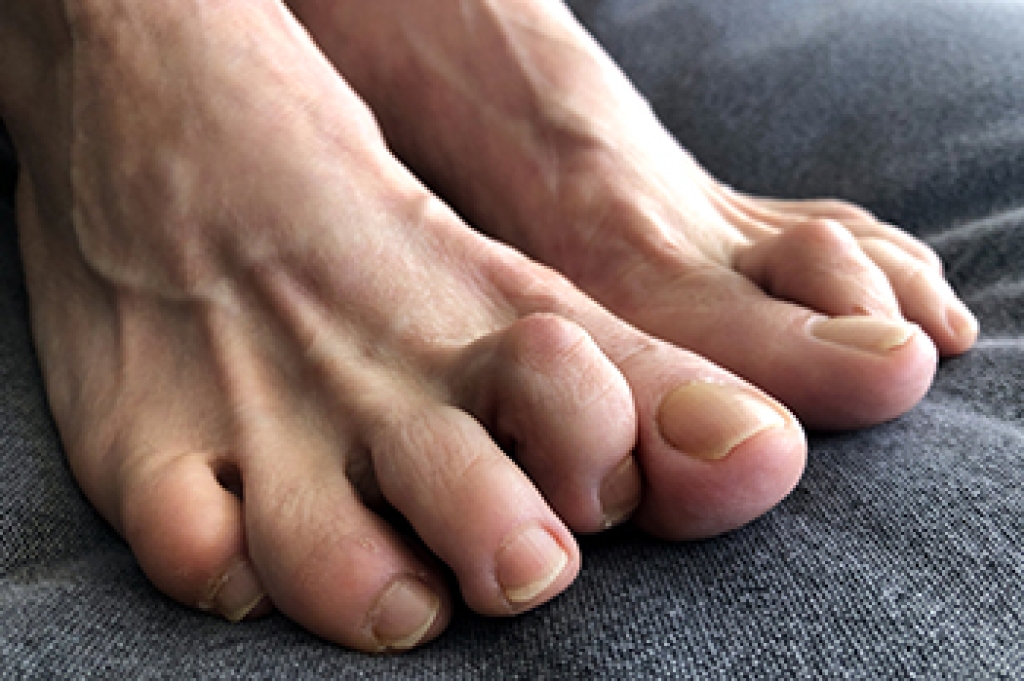
A deformity affecting the second, third, or fourth toe can be referred to as hammertoe. This condition causes one or more of these toes to bend downward at the middle joint. Hammertoe can develop from wearing shoes that do not have adequate room for the toes to move freely, which often includes high heels. In some cases, the affected toes can be manipulated into their normal position as long as they are somewhat flexible. Surgery may be a necessary treatment option for less flexible joints and this often results in permanent straightening. Many patients have to purchase shoes that can accommodate their deformed toes. Corns and calluses can form on top of the joints as the toes rub against the top of the shoe. Some patients also experience pain from calluses that form on the sole of the foot. This can happen due to the chronic stress placed on the foot from the deformed toe. Hammertoe is a foot condition that is treated by a podiatrist and it is strongly suggested that you consult with this type of doctor if you are affected by this ailment.

Hammertoe

Hammertoes can be a painful condition to live with. For more information, contact one of our podiatrists from Lexington Foot and Ankle Center, PSC. Our doctors will answer any of your foot- and ankle-related questions.

Hammertoe is a foot deformity that affects the joints of the second, third, fourth, or fifth toes of your feet. It is a painful foot condition in which these toes curl and arch up, which can often lead to pain when wearing footwear.

Symptoms

  • Pain in the affected toes
  • Development of corns or calluses due to friction
  • Inflammation
  • Redness
  • Contracture of the toes

Causes

Genetics – People who are genetically predisposed to hammertoe are often more susceptible

Arthritis – Because arthritis affects the joints in your toes, further deformities stemming from arthritis can occur

Trauma – Direct trauma to the toes could potentially lead to hammertoe

Ill-fitting shoes – Undue pressure on the front of the toes from ill-fitting shoes can potentially lead to the development of hammertoe

Treatment

Orthotics – Custom made inserts can be used to help relieve pressure placed on the toes and therefore relieve some of the pain associated with it

Medications – Oral medications such as anti-inflammatories or NSAIDs could be used to treat the pain and inflammation hammertoes causes. Injections of corticosteroids are also sometimes used

Surgery – In more severe cases where the hammertoes have become more rigid, foot surgery is a potential option

If you have any questions, please feel free to contact our offices located in Harrodsburg, Frankfort, Georgetown, and Lexington, KY . We offer the newest diagnostic and treatment technologies for all your foot care needs.

Read more about What Are Hammertoes?

What to Do About Odorous Feet

A condition known as eccrine bromhidrosis causes the feet to become extremely odorous. This condition occurs when sweat from the many eccrine glands on your feet softens the keratin on your skin. This results in the breakdown of the skin and creates a moist environment that fosters the growth of bacteria. As the bacteria flourish, they release chemicals that cause a stench. Obesity, diabetes, certain medications, and genetics may also play a role. A few ways to curb bacterial growth are keeping your feet clean and dry, wearing moisture wicking socks, and giving your shoes a day to air out before wearing them again. If your symptoms continue or worsen, it may be time to see a podiatrist who can offer more advanced treatment for eccrine bromhidrosis of the feet.  

Everyday foot care is very important to prevent infection and other foot ailments. If you need your feet checked, contact one of our podiatrists from Lexington Foot and Ankle Center, PSC. Our doctors can provide the care you need to keep you pain-free and on your feet.

Everyday Foot Care

Often, people take care of their bodies, face and hair more so than they do for their feet. But the feet are a very important aspect of our bodies, and one that we should pay more attention to. Without our feet, we would not be able to perform most daily tasks.

It is best to check your feet regularly to make sure there are no new bruises or cuts that you may not have noticed before. For dry feet, moisturizer can easily be a remedy and can be applied as often as necessary to the affected areas. Wearing shoes that fit well can also help you maintain good foot health, as well as making it easier to walk and do daily activities without the stress or pain of ill-fitting shoes, high heels, or even flip flops. Wearing clean socks with closed shoes is important to ensure that sweat and bacteria do not accumulate within the shoe. Clean socks help to prevent Athlete’s foot, fungi problems, bad odors, and can absorb sweat.

If you have any questions, please feel free to contact our offices located in Harrodsburg, Frankfort, Georgetown, and Lexington, KY . We offer the newest diagnostic and treatment technologies for all your foot care needs.

Read more about Every Day Foot Care

Pregnancy and Edema

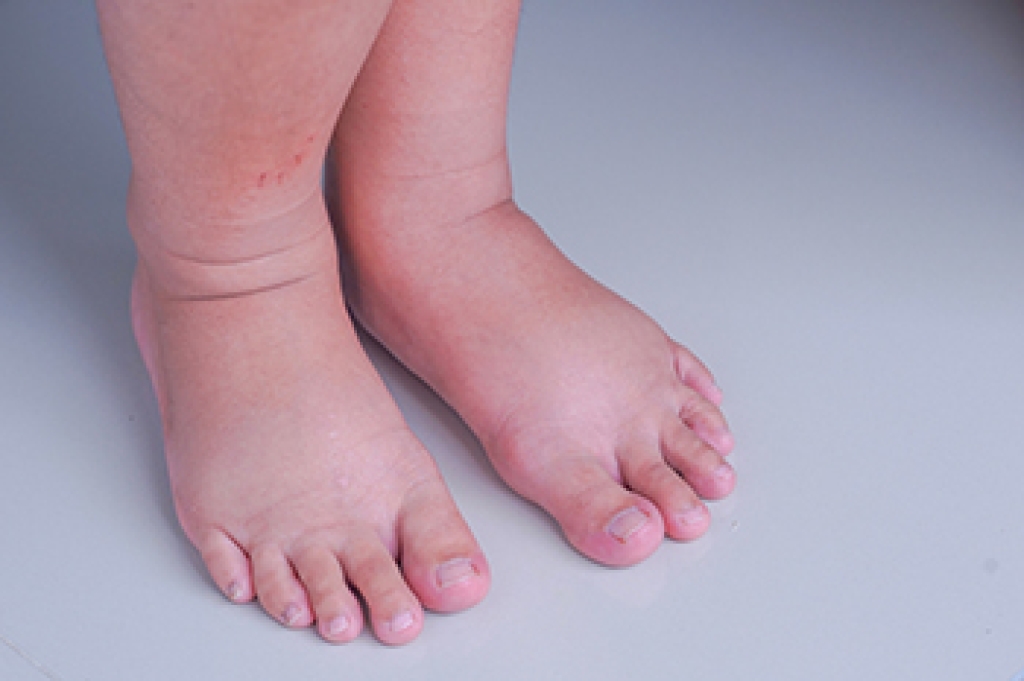
When excess fluid gathers in the tissues of your feet and ankles and causes swelling, it is known as edema. Edema is an unpleasant side effect most women experience during pregnancy, becoming quite uncomfortable in the third trimester. Edema during pregnancy is caused by a number of factors. First, when a woman is pregnant, their body retains more fluids. Also, their growing uterus places pressure on veins in the lower extremities, which slows the rate of blood returning back to the heart. This can cause blood and fluid to pool in the tissues of their feet and ankles. Pregnant women dealing with edema would do well to make an appointment with a podiatrist. With exercise recommendations, compression stockings, custom orthotics, and other foot care, a podiatrist can be very helpful to any pregnant woman who is struggling with edema. 

Pregnant women with swollen feet can be treated with a variety of different methods that are readily available. For more information about other cures for swollen feet during pregnancy, consult with one of our podiatrists from Lexington Foot and Ankle Center, PSC. Our doctors will attend to all of your foot and ankle needs.

What Foot Problems Can Arise During Pregnancy?

One problem that can occur is overpronation, which occurs when the arch of the foot flattens and tends to roll inward.  This can cause pain and discomfort in your heels while you’re walking or even just standing up, trying to support your baby.  

Another problem is edema, or swelling in the extremities. This often affects the feet during pregnancy but tends to occur in the later stages. 

How Can I Keep My Feet Healthy During Pregnancy?

  • Wearing orthotics can provide extra support for the feet and help distribute weight evenly
  • Minimize the amount of time spent walking barefoot
  • Wear shoes with good arch support
  • Wear shoes that allow for good circulation to the feet
  • Elevate feet if you experience swelling
  • Massage your feet
  • Get regular, light exercise, such as walking, to promote blood circulation to the feet

If you have any questions, please feel free to contact our offices located in Harrodsburg, Frankfort, Georgetown, and Lexington, KY . We offer the newest diagnostic and treatment technologies for all your foot care needs.

Read more about Pregnancy and Foot Health

Plantar Warts Can Be Treated!

Plantar warts are small growths that develop on parts of the feet that bear weight. They're typically found on the bottom of the foot. Don't live with plantar warts, and call us today!

What Is a Neuroma?

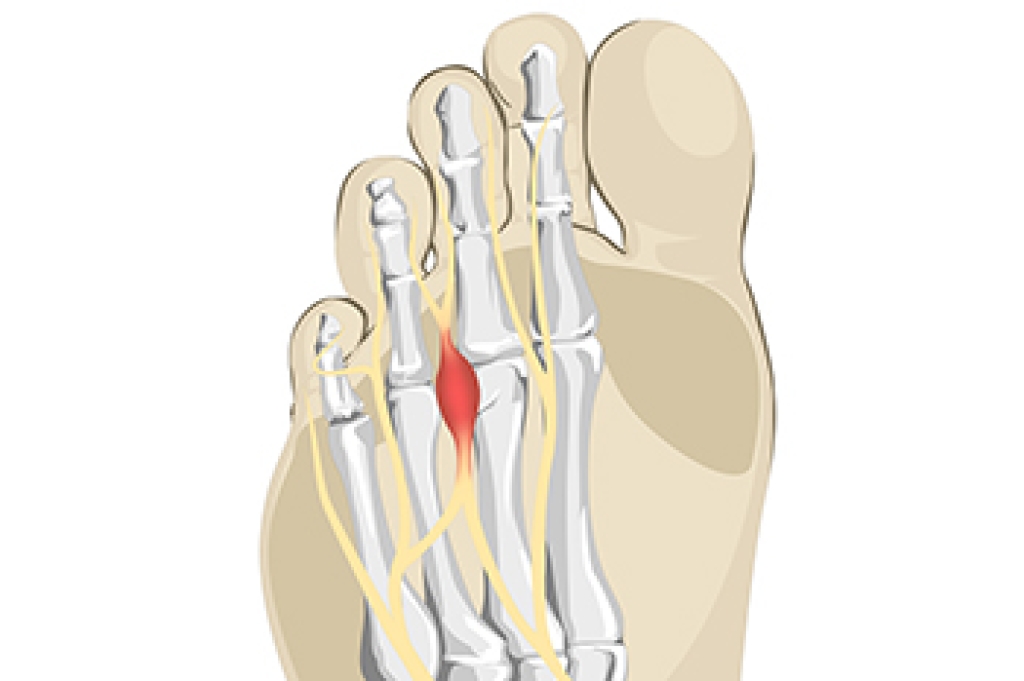
The pain from a foot condition that is known as Morton’s neuroma is generally found in the ball of the foot. A neuroma is another name for a pinched nerve or nerve tumor. It is often benign, and can grow and spread to other nerves in the foot. It is an ailment that affects the nerves between the third and fourth toes, and can cause severe pain and discomfort. Many patients describe the pain as feeling like a pebble or marble under the foot, and possibly cause difficulty in completing daily activities. Common reasons for this condition to develop can include frequently wearing high heels, and participating in running and jumping activities that can compress the feet in shoes. Additionally, medical conditions consisting of bunions and hammertoes may lead to getting Morton’s neuroma. A proper diagnosis consists of having a CT scan taken, or possibly an MRI. Many people have found mild relief when specific foot stretches are performed, and it can be beneficial to wear shoes that fit correctly. These types of shoes will have adequate room for the toes to move freely in, and this can help to achieve full range of motion and flexibility. Morton’s neuroma can be painful, and can hinder the ability to complete daily tasks. If you have pain in this part of your foot, it is suggested you consult with a podiatrist who can accurately diagnose and treat Morton’s neuroma.

Morton’s neuroma is a very uncomfortable condition to live with. If you think you have Morton’s neuroma, contact one of our podiatrists of Lexington Foot and Ankle Center, PSC. Our doctors will attend to all of your foot care needs and answer any of your related questions.  

Morton’s Neuroma

Morton's neuroma is a painful foot condition that commonly affects the areas between the second and third or third and fourth toe, although other areas of the foot are also susceptible. Morton’s neuroma is caused by an inflamed nerve in the foot that is being squeezed and aggravated by surrounding bones.

What Increases the Chances of Having Morton’s Neuroma?

  • Ill-fitting high heels or shoes that add pressure to the toe or foot
  • Jogging, running or any sport that involves constant impact to the foot
  • Flat feet, bunions, and any other foot deformities

Morton’s neuroma is a very treatable condition. Orthotics and shoe inserts can often be used to alleviate the pain on the forefront of the feet. In more severe cases, corticosteroids can also be prescribed. In order to figure out the best treatment for your neuroma, it’s recommended to seek the care of a podiatrist who can diagnose your condition and provide different treatment options.

If you have any questions, please feel free to contact our offices located in Harrodsburg, Frankfort, Georgetown, and Lexington, KY . We offer the newest diagnostic and treatment technologies for all your foot care needs.

Read more about Morton's Neuroma

Facts About Foot and Ankle Fractures

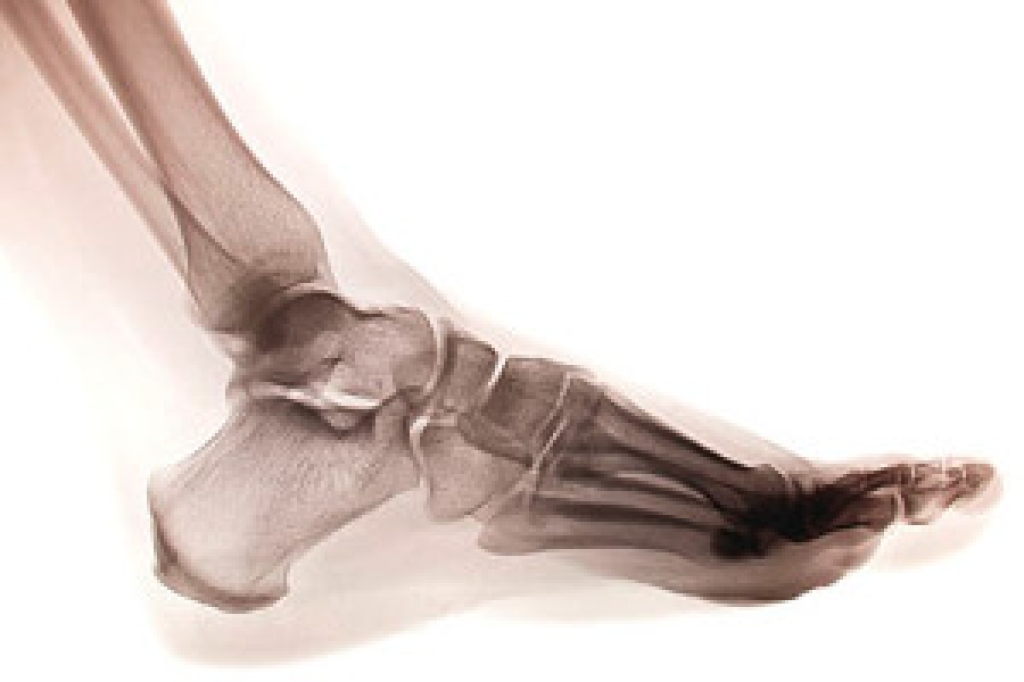
A fracture, which is a break or crack in a bone, can vary greatly in type and level of severity. Symptoms of fractures include redness, swelling, pain, and difficulty/inability to bear weight. If you believe you have sustained a foot or ankle fracture, please seek medical help immediately. Among the types of fractures are displaced bone, stress fracture, pathological fracture, or compound or open fracture. A displaced bone fracture occurs when the broken ends of a bone move away from each other. Conversely, with a stress fracture the bone cracks but stays intact. A pathological fracture may be the result of a disease or condition that weakens the bone. Among the causes are cancer and osteoporosis. A fracture can occur simply as a result of ordinary daily activities, absent any extreme force or trauma. A compound fracture creates an open wound when the bone is pushed through the skin as the result of trauma. These are extremely serious fractures and it is suggested you get immediate attention as soon as possible. A podiatrist can examine, diagnose and treat it properly. 

Foot and ankle trauma is common among athletes and the elderly. If you have concerns that you may have experienced trauma to the foot and ankle, consult with one of our podiatrists from Lexington Foot and Ankle Center, PSC. Our doctors will assess your condition and provide you with quality foot and ankle treatment.

Foot and ankle trauma cover a range of injuries all over the foot; common injuries include:

  • Broken bones
  • Muscle strains
  • Injuries to the tendons and ligaments
  • Stress fractures

Symptoms

Symptoms of foot and ankle injuries vary depending on the injury, but more common ones include:

  • Bruising
  • Inflammation/ Swelling
  • Pain

Diagnosis

To properly diagnose the exact type of injury, podiatrists will conduct a number of different tests. Some of these include sensation and visual tests, X-rays, and MRIs. Medical and family histories will also be taken into account.

Treatment

Once the injury has been diagnosed, the podiatrist can than offer the best treatment options for you. In less severe cases, rest and keeping pressure off the foot may be all that’s necessary. Orthotics, such as a specially made shoes, or immobilization devices, like splints or casts, may be deemed necessary. Finally, if the injury is severe enough, surgery may be necessary.

If you have any questions, please feel free to contact our offices located in Harrodsburg, Frankfort, Georgetown, and Lexington, KY . We offer the newest diagnostic and treatment technologies for all your foot care needs.

Read more about Foot and Ankle Fractures

Types of Arthritis

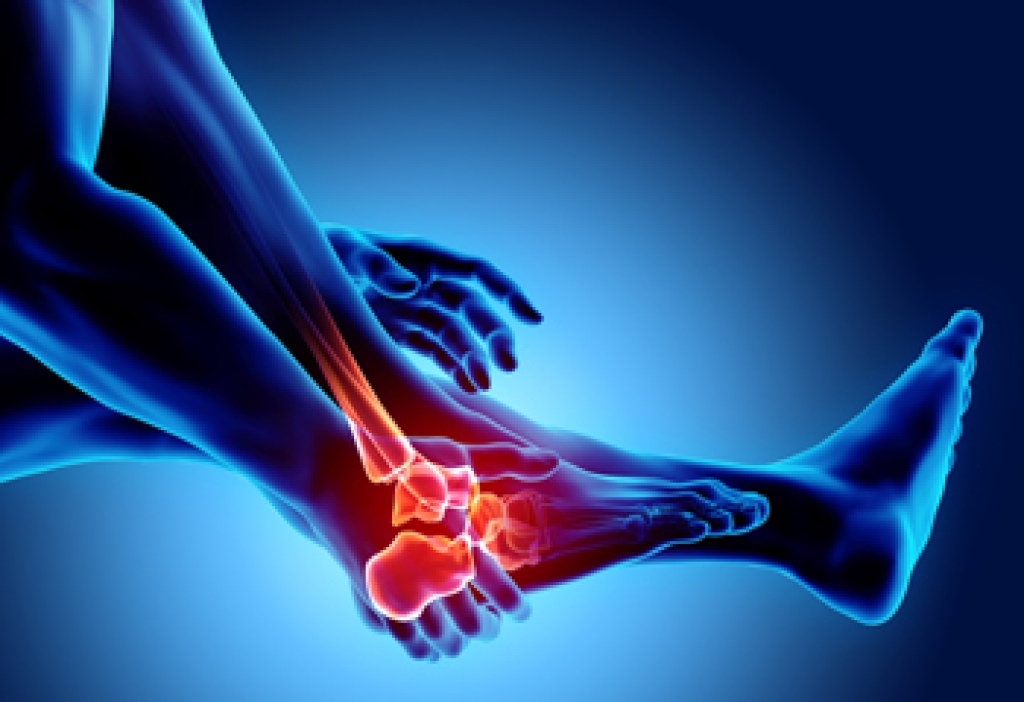
The common symptoms many people experience with arthritis can include stiffness, pain, and swelling, and it can be difficult to move the affected joint. The word arthritis means joint inflammation, and it generally causes severe pain and discomfort. The most common form of this ailment is known as osteoarthritis, and it affects millions of people in the United States. There are specific exercises that can be performed which may help to relieve some of the pain. Rheumatoid arthritis can be disabling, and it is the most common type of autoimmune arthritis. Women are more prone to get this type of arthritis, and research has indicated it may be related to hormonal changes. Gout affects the joints in the big toe, and can cause debilitating pain. Some patients find it is impossible to have anything touch the toe, and relief is often needed immediately. It happens as a result of uric acid crystals that form in the joints of the toe, and can occur from genetic factors or from eating foods that have high levels of purines. If you have arthritis in your feet, it is suggested you confer with a podiatrist who can guide you toward correct treatment options.

Arthritis can be a difficult condition to live with. If you are seeking treatment, contact one of our podiatrists from Lexington Foot and Ankle Center, PSC. Our doctors can provide the care you need to keep you pain-free and on your feet.

Arthritic Foot Care  

Arthritis is a term that is commonly used to describe joint pain.  The condition itself can occur to anyone of any age, race, or gender, and there are over 100 types of it.  Nevertheless, arthritis is more commonly found in women compared to men, and it is also more prevalent in those who are overweight. The causes of arthritis vary depending on which type of arthritis you have. Osteoarthritis for example, is often caused by injury, while rheumatoid arthritis is caused by a misdirected immune system.

Symptoms

  • Swelling
  • Pain
  • Stiffness
  • Decreased Range of Motion

Arthritic symptoms range in severity, and they may come and go. Some symptoms stay the same for several years but could potentially get worse with time. Severe cases of arthritis can prevent its sufferers from performing daily activities and make walking difficult.

Risk Factors

  • Occupation – Occupations requiring repetitive knee movements have been linked to osteoarthritis
  • Obesity – Excess weight can contribute to osteoarthritis development
  • Infection – Microbial agents can infect the joints and trigger arthritis
  • Joint Injuries – Damage to joints may lead to osteoarthritis
  • Age – Risk increases with age
  • Gender –Most types are more common in women
  • Genetics – Arthritis can be hereditary

If you suspect your arthritis is affecting your feet, it is crucial that you see a podiatrist immediately. Your doctor will be able to address your specific case and help you decide which treatment method is best for you.

If you have any questions please feel free to contact our offices located in Harrodsburg, Frankfort, Georgetown, and Lexington, KY . We offer the newest diagnostic tools and technology to treat your foot and ankle needs.

Read more about Arthritic Foot Care

Symptoms and Causes of Tarsal Tunnel Syndrome

The tibial nerve is located in the ankle and runs through the tarsal tunnel. This is a passageway in the ankle that is made of bones and ligaments. Tarsal tunnel syndrome occurs when the tibial nerve becomes compressed and may happen from overusing the foot and ankle. Common symptoms include a tingling or numbing feeling on the bottom of the foot, and there may be a burning sensation. It may worsen with prolonged standing or walking and may lessen when the affected foot is elevated. Tarsal tunnel syndrome may occur from having a cyst in the foot, severe flat feet, or possibly from an ankle deformity following an injury. Non-surgical treatment includes wearing orthotics and stopping the activity that caused the syndrome. If surgery is an option, healing time takes approximately two weeks. If you have chronic pain in the sole of your foot, please consider seeing a podiatrist for a proper diagnosis and treatment options.

Tarsal tunnel syndrome can be very uncomfortable to live with. If you are experiencing tarsal tunnel syndrome, contact one of our podiatrists of Lexington Foot and Ankle Center, PSC. Our doctors can provide the care you need to keep you pain-free and on your feet.

Tarsal Tunnel Syndrome

Tarsal tunnel syndrome, which can also be called tibial nerve dysfunction, is an uncommon condition of misfiring peripheral nerves in the foot. The tibial nerve is the peripheral nerve in the leg responsible for sensation and movement of the foot and calf muscles. In tarsal tunnel syndrome, the tibial nerve is damaged, causing problems with movement and feeling in the foot of the affected leg.

Common Cause of Tarsal Tunnel Syndrome

  • Involves pressure or an injury, direct pressure on the tibial nerve for an extended period of time, sometimes caused by other body structures close by or near the knee.
  • Diseases that damage nerves, including diabetes, may cause tarsal tunnel syndrome.
  • At times, tarsal tunnel syndrome can appear without an obvious cause in some cases.

The Effects of Tarsal Tunnel Syndrome

  • Different sensations, an afflicted person may experience pain, tingling, burning or other unusual sensations in the foot of the affected leg.
  • The foot muscles, toes and ankle become weaker, and curling your toes or flexing your foot can become difficult.
  • If condition worsens, infections and ulcers may develop on the foot that is experiencing the syndrome.

A physical exam of the leg can help identify the presence of tarsal tunnel syndrome. Medical tests, such as a nerve biopsy, are also used to diagnose the condition. Patients may receive physical therapy and prescriptive medication. In extreme cases, some may require surgery.

If you have any questions please contact our offices located in Harrodsburg, Frankfort, Georgetown, and Lexington, KY . We offer the newest diagnostic and treatment technologies for all your foot and ankle needs.
Read more about Tarsal Tunnel Syndrome

What to Do About a Corn on the Pinky Toe?

Corns, also called clavus, can appear on the toes and feet. The most common place a corn develops is on the side of the pinky toe. A corn is a whitish-yellow hardened patch of dead skin that becomes raised, inflamed, and painful due to repeated exposure to pressure and rubbing. This can happen if shoes are too tight or narrow and rub on the side of the pinky toe, prolonged time spent on the feet, structural problems of the feet or toe bones, or an abnormal gait. Those with diabetes, arthritis, and the elderly are more apt to develop corns. Prevention of corns includes wearing properly fitted shoes, resting feet, keeping feet clean, dry, and moisturized, and trimming toenails regularly. A corn on the pinky toe can be treated at home by soaking the foot in warm water, allowing the corn to soften and lift and/or drying the foot after the soak, and filing it gently with a pumice stone. Medicated corn pads, often containing salicylic acid, can be purchased from drug stores and these provide cushioning of the corn while directly applying medication to dissolve the corn. If these simple home remedies don't help or the corn is unusually painful or infected, it is suggested that you see a podiatrist who can use a properly sterilized surgical blade to shave the dead skin and remove the corn.

Corns can make walking very painful and should be treated immediately. If you have questions regarding your feet and ankles, contact one of our podiatrists of Lexington Foot and Ankle Center, PSC. Our doctors will treat your foot and ankle needs.

Corns: What Are They? And How Do You Get Rid of Them?
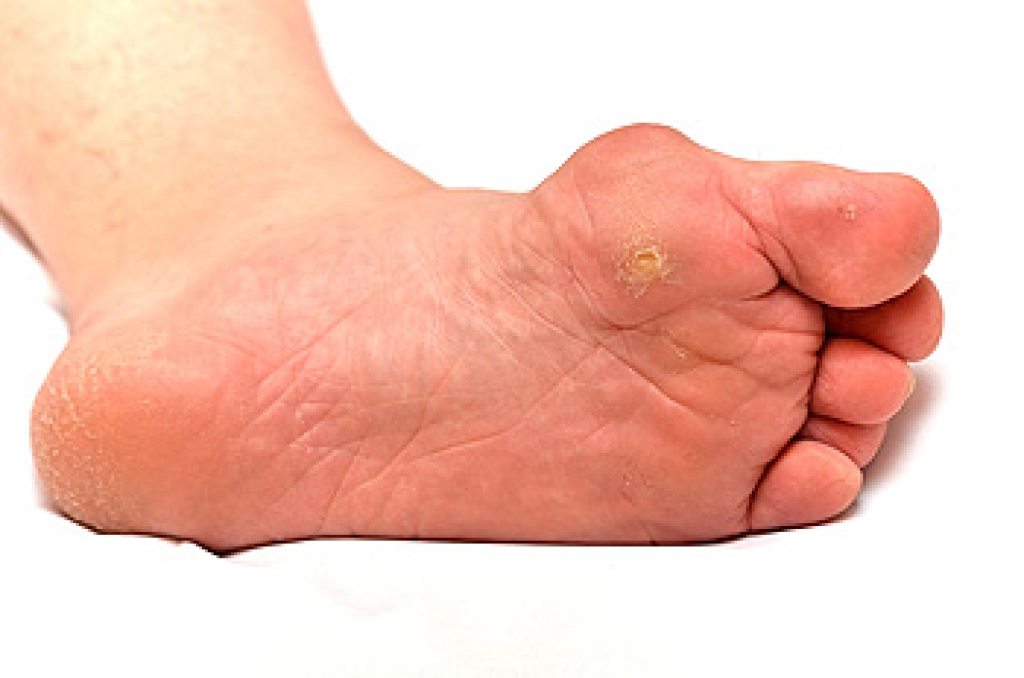
Corns are thickened areas on the skin that can become painful. They are caused by excessive pressure and friction on the skin. Corns press into the deeper layers of the skin and are usually round in shape.

Ways to Prevent Corns
There are many ways to get rid of painful corns such as:

  • Wearing properly fitting shoes that have been measured by a professional
  • Wearing shoes that are not sharply pointed or have high heels
  • Wearing only shoes that offer support

Treating Corns

Although most corns slowly disappear when the friction or pressure stops, this isn’t always the case. Consult with your podiatrist to determine the best treatment option for your case of corns.

If you have any questions, please feel free to contact our offices located in Harrodsburg, Frankfort, Georgetown, and Lexington, KY . We offer the newest diagnostic and treatment technologies for all your foot care needs.

Read more about Understanding Corns and Calluses

Connect With Us