Reasons for Pain in the Big Toe

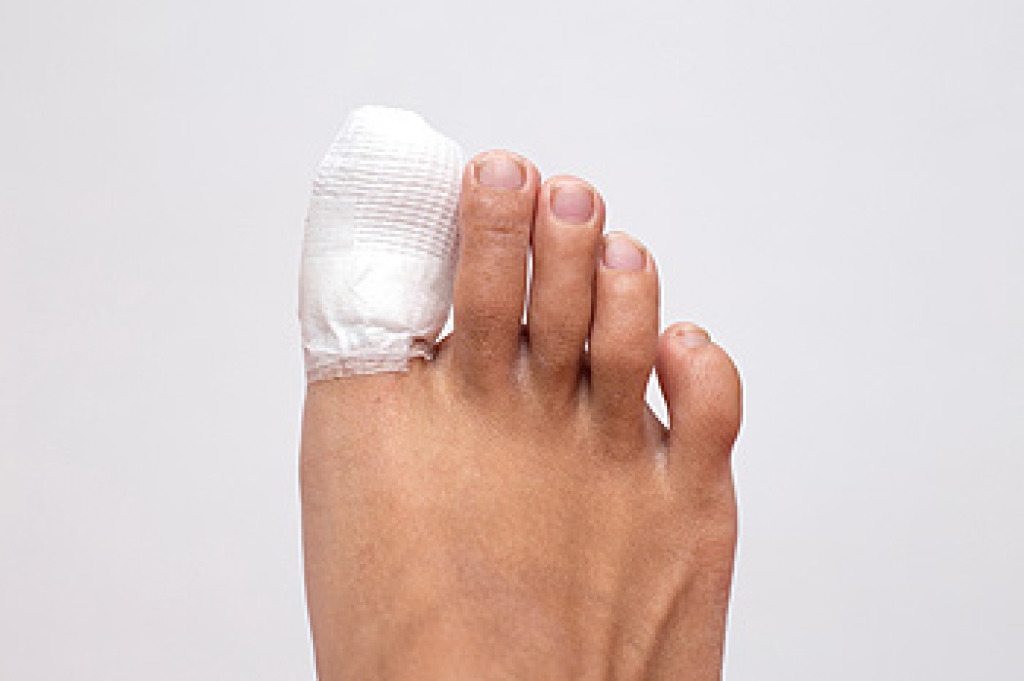
When you hurt your big toe, it can affect your life dramatically. The big toe absorbs much of the force of every step you take. A sore big toe does not want to be enclosed in a shoe, which can also be a great inconvenience. Big toe pain has numerous causes, including trauma. For example, stubbing the toe on a piece of furniture or dropping something heavy on the toes. Other causes are osteoarthritis, rheumatoid arthritis, and gout. Bunions, ingrown toenails, and fungal toenail infections may also cause big toe pain. The typical symptoms of big toe pain are discomfort while standing or walking, tenderness to the touch, and redness or swelling. If you believe you have broken a bone in the toe or if it appears that an infection has set in, it is essential to get medical help as soon as possible. It is suggested to consult a podiatrist about big toe pain if it has lasted for more than two or three weeks or if it goes away but keeps coming back. A podiatrist can examine the toe and determine the correct treatment plan for a speedy recovery.

Toe pain can disrupt your daily activities. If you have any concerns, contact one of our podiatrists of Lexington Foot and Ankle Center, PSC. Our doctors can provide the care you need to keep you pain-free and on your feet.

What Causes Toe Pain?

Most severe toe pain is caused due to a sports injury, trauma from dropping something heavy on the toe, or bumping into something rigid. Other problems can develop over time for various reasons.

Toe pain can be caused by one or more ailments. The most common include:

  • Trauma
  • Sports injury
  • Wearing shoes that are too tight
  • Arthritis
  • Gout
  • Corns and calluses
  • Hammertoe
  • Bunions
  • Blisters
  • Ingrown toenails
  • Sprains
  • Fractures (broken bones)
  • Dislocations

When to See a Podiatrist

  • Severe pain
  • Persistent pain that lasts more than a week
  • Signs of infection
  • Continued swelling
  • Pain that prevents walking

Diagnosis

In many cases the cause of toe pain is obvious, but in others, a podiatrist may want to use more advanced methods to determine the problem. These can range from simple visual inspections and sensation tests to X-rays and MRI scans. Prior medical history, family medical history, and any recent physical traumatic events will all be taken into consideration for a proper diagnosis.

Treatment

Treatments for toe pain and injuries vary and may include shoe inserts, padding, taping, medicines, injections, and in some cases, surgery. If you believe that you have broken a toe, please see a podiatrist as soon as possible.

If you have any questions please contact our offices located in Harrodsburg, Frankfort, Georgetown, and Lexington, KY . We offer the newest diagnostic and treatment technologies for all your foot and ankle needs.

Read more about Toe Pain

Who Is Prone to Developing Cuboid Syndrome?

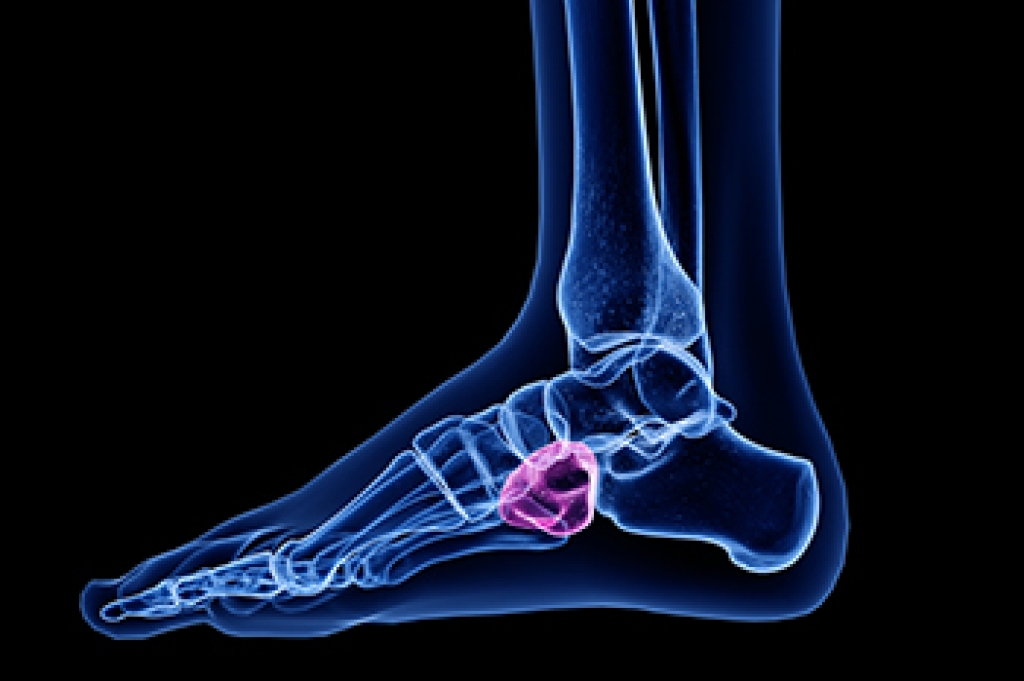
The cuboid bone is located on the outside of the foot, and cuboid syndrome may happen if it becomes inflamed. An injury can cause this bone to move out of alignment, and it is often accompanied by pain and swelling on this part of the foot. Additionally, the affected foot may have a limited range of motion, and the toes may feel weak. In severe cases, the gait, or walking style, may be altered to compensate for the injured foot. Some of the injuries that can cause this condition may happen from unexpectedly stepping off of a step, or suddenly twisting the ankle. An activity that puts intense strain on the ankle bones and ligaments may also lead to the development of cuboid syndrome, which may be common among people who enjoy running and jumping activities. Some patients may be prone to getting this ailment, including people who wear shoes that do not have adequate support or run on uneven surfaces. Effective treatment begins with stopping the activity that caused the condition, if applicable, followed by frequently resting and elevating the foot as often as possible. If you have pain in this part of your foot, please consult a podiatrist who can determine what the best course of treatment is for you.

Cuboid syndrome, also known as cuboid subluxation, occurs when the joints and ligaments near the cuboid bone in the foot become torn. If you have cuboid syndrome, consult with one of our podiatrists from Lexington Foot and Ankle Center, PSC. Our doctors will assess your condition and provide you with quality foot and ankle treatment.

Cuboid syndrome is a common cause of lateral foot pain, which is pain on the outside of the foot. The condition may happen suddenly due to an ankle sprain, or it may develop slowly overtime from repetitive tension through the bone and surrounding structures.

Causes

The most common causes of cuboid syndrome include:

  • Injury – The most common cause of this ailment is an ankle sprain.
  • Repetitive Strain – Tension placed through the peroneus longus muscle from repetitive activities such as jumping and running may cause excessive traction on the bone causing it to sublux.
  • Altered Foot Biomechanics – Most people suffering from cuboid subluxation have flat feet.

Symptoms

A common symptom of cuboid syndrome is pain along the outside of the foot which can be felt in the ankle and toes. This pain may create walking difficulties and may cause those with the condition to walk with a limp.

Diagnosis

Diagnosis of cuboid syndrome is often difficult, and it is often misdiagnosed. X-rays, MRIs and CT scans often fail to properly show the cuboid subluxation. Although there isn’t a specific test used to diagnose cuboid syndrome, your podiatrist will usually check if pain is felt while pressing firmly on the cuboid bone of your foot.

Treatment

Just as the range of causes varies widely, so do treatments. Some more common treatments are ice therapy, rest, exercise, taping, and orthotics.

If you have any questions, please feel free to contact our offices located in Harrodsburg, Frankfort, Georgetown, and Lexington, KY . We offer the newest diagnostic and treatment technologies for all your foot care needs.

Read more about Cuboid Syndrome

Are You Suffering From Ingrown Toenails?

If left untreated, an ingrown toenail can lead to more serious concerns, such as an infection. Knowing proper nail care can help in the prevention of an ingrown toenail. Give us a call, and get treated!

Crack the Case of Cracked Heels

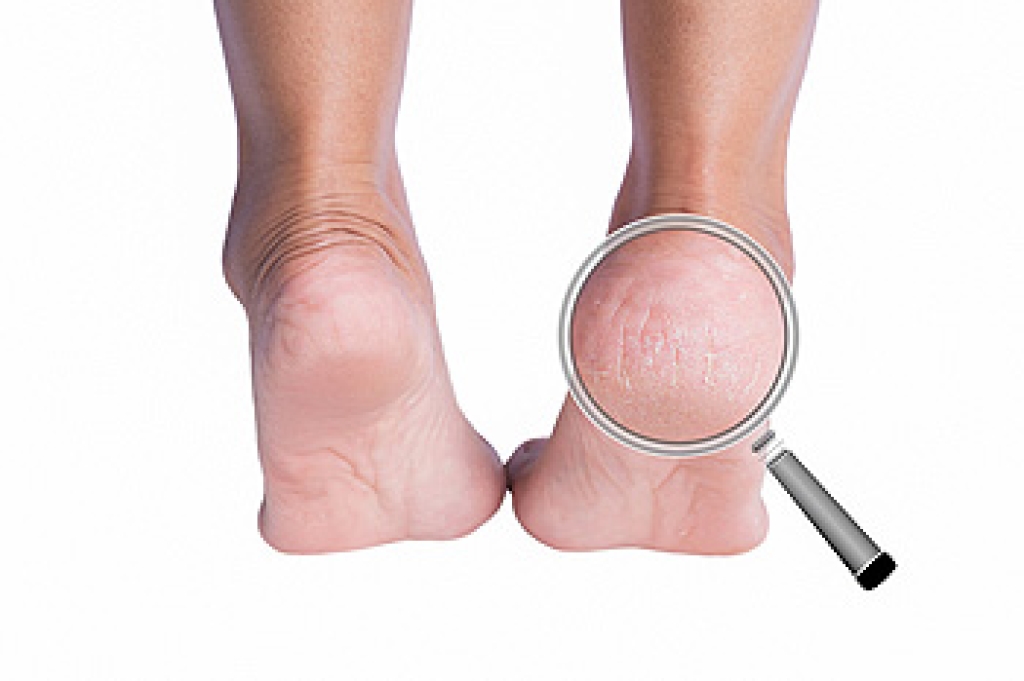
Cracked heels, also known as heel fissures, are common and can affect anyone. However, women are more apt to report this condition than men. Cracked heels are unsightly, can cause discomfort, and if left untreated, can lead to infections. If the cracks run deep, it can hurt to stand and walk, and they may even bleed. Heel fissures are generally a result of dry skin but can also be caused by obesity, standing for long periods, or wearing ill-fitting shoes. Along with the cracks, the skin on the heel can become thick and discolored. Sometimes calluses can develop on the heel edge. A few home remedies one can try are moisturizing treatments, using petroleum jelly, and applying a keratolytic to thickened skin. Using creams, lotions, or ointments can help restore moisture to the skin on the heels. Petroleum jelly can be applied to cracked heels at night, and 100% cotton socks can be worn to keep moisture in, allow the skin to breathe, and prevent bed sheets from getting stained. If this condition does not abate with self-care techniques, is related to a medical condition, or an infection seems to be looming, see a podiatrist who can offer treatment options to restore you to comfort.

If the skin on your feet starts to crack, you may want to see a podiatrist to find treatment. If you have any concerns, contact one of our podiatrists from Lexington Foot and Ankle Center, PSC. Our doctors can provide the care you need to keep you pain-free and on your feet.

Cracked Heels

It is important to moisturize your cracked heels in order to prevent pain, bleeding, and infection. The reason cracked heels form is because the skin on the foot is too dry to support the immense pressure placed on them. When the foot expands, the dry skin on the foot begins to split.

Ways to Help Heal Them

  • Invest in a good foot cream
  • Try Using Petroleum Jelly
  • Ease up on Soaps
  • Drink Plenty of Water

Ways to Prevent Cracked Heels

  • Moisturize After Showering
  • Skip a Shower
  • Keep Shower Water Lukewarm
  • Don’t Scrub Your Feet

If you are unsure how to proceed in treating cracked heels, seek guidance from a podiatrist. Your doctor will help you with any questions or information you may need. 

If you have any questions, please feel free to contact our offices located in Harrodsburg, Frankfort, Georgetown, and Lexington, KY . We offer the newest diagnostic and treatment technologies for all your foot care needs.

Read more about Solutions for Cracked Heels

Ways to Help Reduce Swollen Feet During Pregnancy

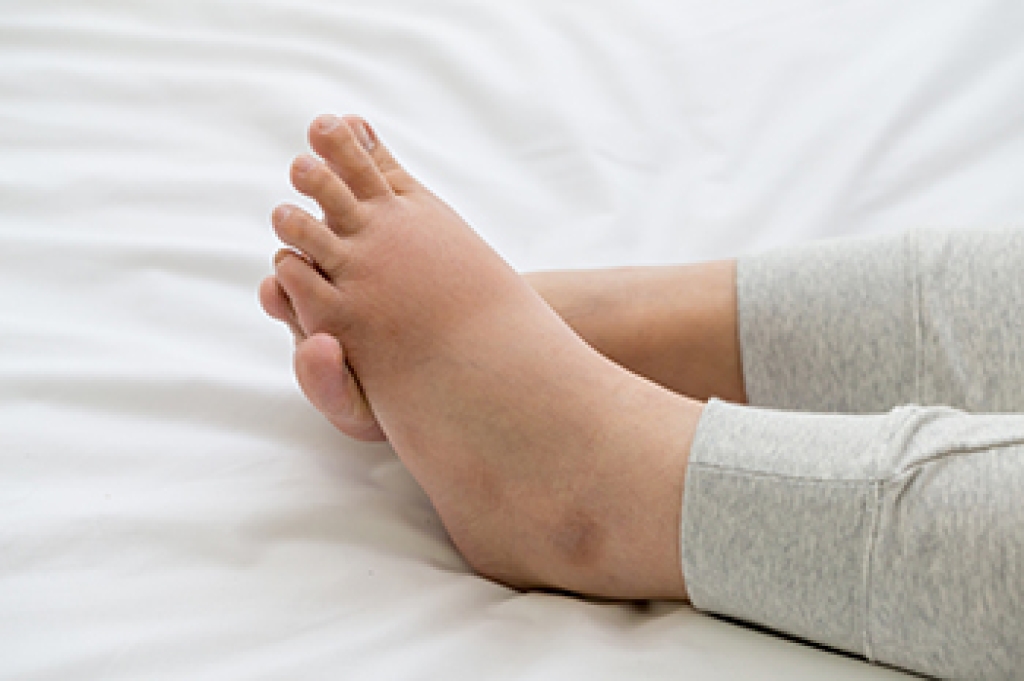
Pregnancy can lead to developing certain foot conditions. Many pregnant women notice their feet have become swollen, and it may be uncomfortable to wear shoes. Additionally, the arch may flatten and roll inward as a result of the added weight from the growing fetus. This may also be caused by changes to the relaxin hormone, and will resume normalcy after the baby is born. Swollen feet often become worse during the second and third trimester, and it may help by reducing sodium intake and drinking plenty of water. Some women find it helpful to walk as often as possible, and this is beneficial in maintaining proper circulation. Ingrown toenails can be a common ailment during pregnancy, and many pregnant women choose to have regular pedicures. Wearing shoes that fit correctly is helpful in protecting the feet during this time. If you have questions about foot pain during pregnancy, it is suggested that you consult with a podiatrist who can address any concerns you may have.

Pregnant women with swollen feet can be treated with a variety of different methods that are readily available. For more information about other cures for swollen feet during pregnancy, consult with one of our podiatrists from Lexington Foot and Ankle Center, PSC. Our doctors will attend to all of your foot and ankle needs.

What Foot Problems Can Arise During Pregnancy?

One problem that can occur is overpronation, which occurs when the arch of the foot flattens and tends to roll inward.  This can cause pain and discomfort in your heels while you’re walking or even just standing up, trying to support your baby.  

Another problem is edema, or swelling in the extremities. This often affects the feet during pregnancy but tends to occur in the later stages. 

How Can I Keep My Feet Healthy During Pregnancy?

  • Wearing orthotics can provide extra support for the feet and help distribute weight evenly
  • Minimize the amount of time spent walking barefoot
  • Wear shoes with good arch support
  • Wear shoes that allow for good circulation to the feet
  • Elevate feet if you experience swelling
  • Massage your feet
  • Get regular, light exercise, such as walking, to promote blood circulation to the feet

If you have any questions, please feel free to contact our offices located in Harrodsburg, Frankfort, Georgetown, and Lexington, KY . We offer the newest diagnostic and treatment technologies for all your foot care needs.

Read more about Foot Care for Pregnant Women

Connect With Us