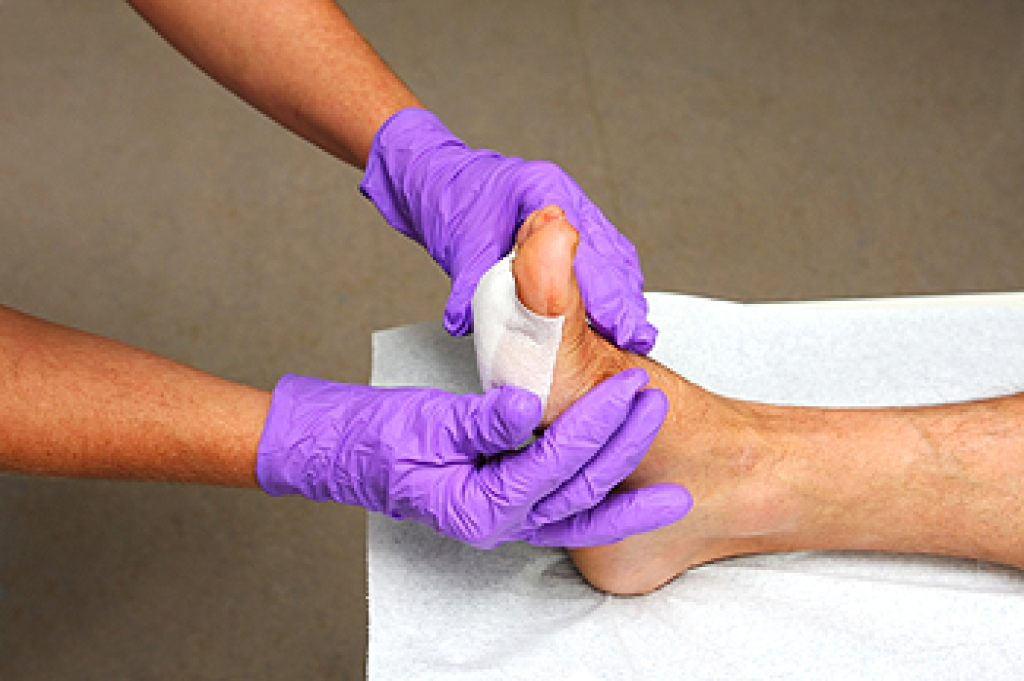
What Causes Plantar Fasciitis?

Plantar fasciitis is the most common cause of heel pain. It occurs when the plantar fascia, a thick band of connective tissue that runs from the heel bone to the ball of the foot, becomes strained or develops small tears. This tissue supports the arch and helps absorb shock when you walk. Repeated stress from standing for long hours, walking on hard surfaces, running, or wearing high heels can overload the fascia. Tight calf muscles, flat feet, or very high arches can also place extra tension on the heel. People who are overweight or who have inflammatory joint conditions may be at higher risk of plantar fasciitis. The main symptom of plantar fasciitis is sharp heel pain when taking the first steps in the morning or after resting. A podiatrist can perform a detailed exam, order imaging tests, and provide advanced treatment to reduce pain and prevent long-term damage. If you have symptoms of plantar fasciitis, it is suggested that you make an appointment with a podiatrist for an exam, diagnosis, and treatment.

Plantar fasciitis can be very painful and inconvenient. If you are experiencing heel pain or symptoms of plantar fasciitis, contact one of our podiatrists  from Lexington Foot and Ankle Center, PSC. Our doctors can provide the care you need to keep you pain-free and on your feet.

What Is Plantar Fasciitis?

Plantar fasciitis is the inflammation of the thick band of tissue that runs along the bottom of your foot, known as the plantar fascia, and causes mild to severe heel pain.

What Causes Plantar Fasciitis?

  • Excessive running
  • Non-supportive shoes
  • Overpronation
  • Repeated stretching and tearing of the plantar fascia

How Can It Be Treated?

  • Conservative measures – anti-inflammatories, ice packs, stretching exercises, physical therapy, orthotic devices
  • Shockwave therapy – sound waves are sent to the affected area to facilitate healing and are usually used for chronic cases of plantar fasciitis
  • Surgery – usually only used as a last resort when all else fails. The plantar fascia can be surgically detached from the heel

While very treatable, plantar fasciitis is definitely not something that should be ignored. Especially in severe cases, speaking to your doctor right away is highly recommended to avoid complications and severe heel pain. Your podiatrist can work with you to provide the appropriate treatment options tailored to your condition.

If you have any questions, please feel free to contact our offices located in Harrodsburg, Frankfort, Georgetown, and Lexington, KY . We offer the newest diagnostic and treatment technologies for all your foot care needs.

Read more about Plantar Fasciitis

When the Achilles Tendon Becomes Inflamed

Achilles tendonitis is a painful condition that affects the strong band of tissue connecting the calf muscles to the heel bone. It often develops from overuse, sudden increases in activity, tight calf muscles, or wearing unsupportive shoes. The back of the heel may look slightly swollen or thickened, and the area can feel warm or tender to the touch. Many patients describe a dull ache that becomes sharper with walking, running, or climbing stairs, especially after periods of rest. Morning stiffness is common and may improve slightly with gentle movement. A podiatrist begins with a careful examination of the foot and ankle, evaluating flexibility, strength, and walking pattern. Imaging may be used if a tear is suspected. Treatment may include activity modification, wearing supportive footwear, custom orthotics, anti-inflammatory care, and targeted exercises to strengthen and stretch the tendon. If you have heel pain, it is suggested that you schedule an appointment with a podiatrist for a proper diagnosis and appropriate treatment.

Achilles tendon injuries need immediate attention to avoid future complications. If you have any concerns, contact one of our podiatrists of Lexington Foot and Ankle Center, PSC. Our doctors can provide the care you need to keep you pain-free and on your feet.

What Is the Achilles Tendon?

The Achilles tendon is a tendon that connects the lower leg muscles and calf to the heel of the foot. It is the strongest tendon in the human body and is essential for making movement possible. Because this tendon is such an integral part of the body, any injuries to it can create immense difficulties and should immediately be presented to a doctor.

What Are the Symptoms of an Achilles Tendon Injury?

There are various types of injuries that can affect the Achilles tendon. The two most common injuries are Achilles tendinitis and ruptures of the tendon.

Achilles Tendinitis Symptoms

  • Inflammation
  • Dull to severe pain
  • Increased blood flow to the tendon
  • Thickening of the tendon

Rupture Symptoms

  • Extreme pain and swelling in the foot
  • Total immobility

Treatment and Prevention

Achilles tendon injuries are diagnosed by a thorough physical evaluation, which can include an MRI. Treatment involves rest, physical therapy, and in some cases, surgery. However, various preventative measures can be taken to avoid these injuries, such as:

  • Thorough stretching of the tendon before and after exercise
  • Strengthening exercises like calf raises, squats, leg curls, leg extensions, leg raises, lunges, and leg presses

If you have any questions please feel free to contact our offices located in Harrodsburg, Frankfort, Georgetown, and Lexington, KY . We offer the newest diagnostic tools and technology to treat your foot and ankle needs.

Read more about The Causes, Types, and Treatments of Achilles Tendon Injuries

How Pronation Affects Your Feet

Pronation is the inward roll of the foot during walking that helps absorb shock as the heel meets the ground. In a balanced gait, the arch lowers, weight moves toward the big toe, and the foot becomes stable for push-off. With overpronation, the ankle rolls too far inward and continues moving after it should properly stabilize, placing strain on the big toe, arch, and lower leg. This can contribute to shin splints, tendon irritation, and knee discomfort. Underpronation, or supination, keeps weight along the outer border of the foot and is linked to ankle instability and repetitive stress injuries. A podiatrist can analyze gait and assess alignment. They can also provide medical treatment options and custom orthotic devices to improve stability and reduce harmful pressure on joints and soft tissues. If you regularly have foot pain after activity, it is suggested that you make an appointment with a podiatrist for an exam, diagnosis, and treatment.

If you have any concerns about your feet, contact one of our podiatrists from Lexington Foot and Ankle Center, PSC. Our doctors can provide the care you need to keep you pain-free and on your feet.

Biomechanics in Podiatry

Podiatric biomechanics is a particular sector of specialty podiatry with licensed practitioners who are trained to diagnose and treat conditions affecting the foot, ankle and lower leg. Biomechanics deals with the forces that act against the body, causing an interference with the biological structures. It focuses on the movement of the ankle, the foot and the forces that interact with them.

A History of Biomechanics

  • Biomechanics dates back to the BC era in Egypt where evidence of professional foot care has been recorded.
  • In 1974, biomechanics gained a higher profile from the studies of Merton Root, who claimed that by changing or controlling the forces between the ankle and the foot, corrections or conditions could be implemented to gain strength and coordination in the area.

Modern technological improvements are based on past theories and therapeutic processes that provide a better understanding of podiatric concepts for biomechanics. Computers can provide accurate information about the forces and patterns of the feet and lower legs.

Understanding biomechanics of the feet can help improve and eliminate pain, stopping further stress to the foot.

If you have any questions please feel free to contact our offices located in Harrodsburg, Frankfort, Georgetown, and Lexington, KY . We offer the newest diagnostic and treatment technologies for all your foot and ankle needs.


Read more about Biomechanics in Podiatry

Why Ingrown Toenail Surgery May Be Necessary for Lasting Relief

An ingrown toenail occurs when the edge of the nail grows into the surrounding skin, causing pain, redness, swelling, and sometimes infection. This condition most often affects the big toe and can worsen, if left untreated. When conservative care does not resolve the problem or when infection continues to return, ingrown toenail surgery may be necessary. The procedure involves carefully removing the portion of the nail that is causing irritation, and, in some cases, treating the nail root to prevent recurrence. A podiatrist performs this procedure safely and comfortably in an office setting while guiding proper healing. If you have persistent toe pain or infection from an ingrown toenail, it is suggested that you promptly consult a podiatrist who can determine if this type of surgery needs to be performed.

Foot surgery is sometimes necessary to treat a foot ailment. To learn more, contact one of our podiatrists of Lexington Foot and Ankle Center, PSC. Our doctors will assist you with all of your foot and ankle needs.

When Is Surgery Necessary?

Foot and ankle surgery is generally reserved for cases in which less invasive, conservative procedures have failed to alleviate the problem. Some of the cases in which surgery may be necessary include:

  • Removing foot deformities like bunions and bone spurs
  • Severe arthritis that has caused bone issues
  • Cosmetic reconstruction

What Types of Surgery Are There?

The type of surgery you receive will depend on the nature of the problem you have. Some of the possible surgeries include:

  • Bunionectomy for painful bunions
  • Surgical fusion for realignment of bones
  • Neuropathy decompression surgery to treat nerve damage

Benefits of Surgery

Although surgery is usually a last resort, it can provide more complete pain relief compared to non-surgical methods and may allow you to finally resume full activity.

Surgical techniques have also become increasingly sophisticated. Techniques like endoscopic surgery allow for smaller incisions and faster recovery times.

If you have any questions, please feel free to contact our offices located in Harrodsburg, Frankfort, Georgetown, and Lexington, KY . We offer the newest diagnostic and treatment technologies for all your foot care needs.

Read more about Foot Surgery

Connect With Us